
Introduction
A mattress platform presents multiple bedding structures within a single system. Each product reflects a specific material composition and internal design. Surface behavior depends on how these materials respond to pressure and temperature. The platform operates as a structured catalogue. The selection process relates to observable features.
Material Types and Construction Forms
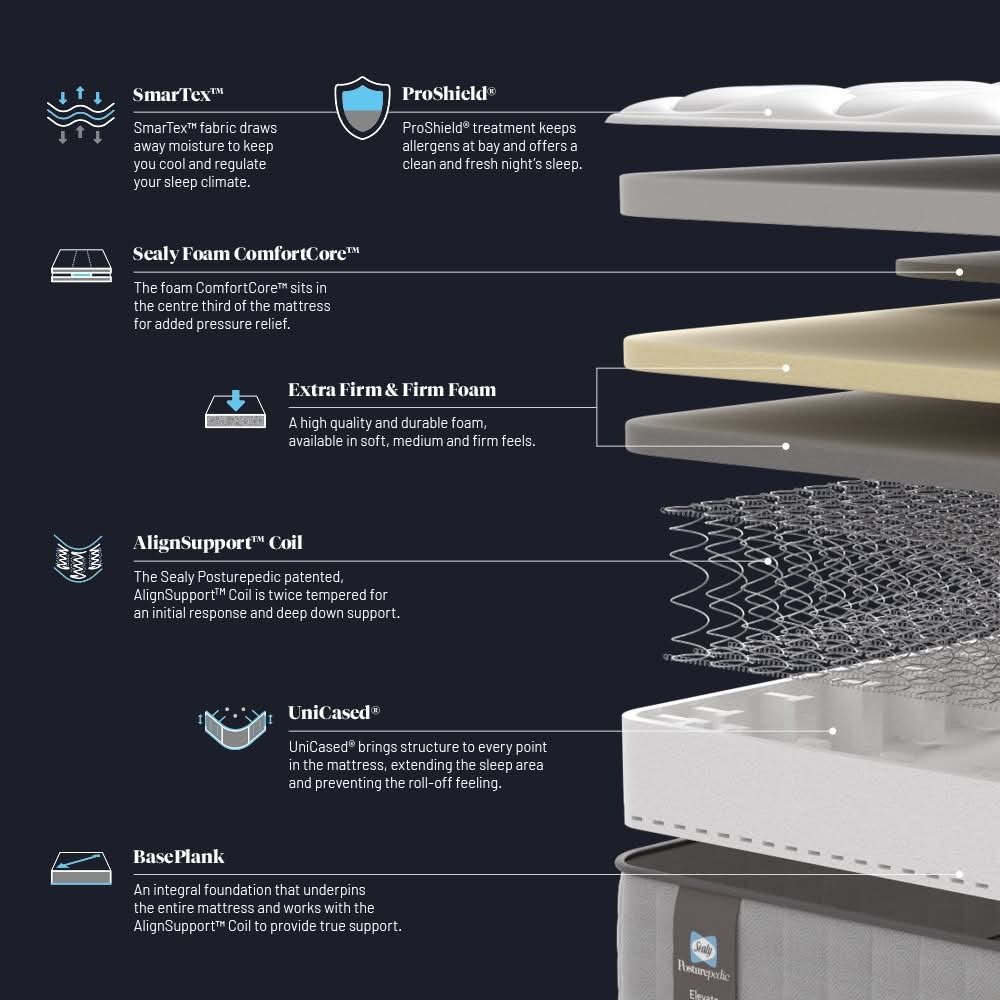
The range includes foam, open coil, pocket spring, and hybrid mattresses. Each type operates through a different internal arrangement. Foam structures compress and adapt to body contours. Coil systems respond through elastic movement. Hybrid designs combine foam layers with a spring core.
Latex appears in selected models. The material reflects a resilient surface response. The structure allows air movement through internal channels. Each construction type behaves within its own mechanical range.
Layer Configuration and Surface Profile
Mattresses differ in the number and arrangement of internal layers. Some models contain multiple foam sections above a support base. Others rely on a coil system with thinner upper padding. Hybrid models combine both structures.
Layer thickness varies across designs. This affects how the surface compresses under load. The arrangement defines pressure distribution across the mattress. The surface reflects a combination of contouring and resistance.
Firmness Variation and Load Behavior
The product range includes different firmness levels. Softer surfaces allow deeper compression under weight. Firmer surfaces maintain a higher level of resistance. Perceived firmness changes with body mass.
Heavier loads compress the structure more deeply. Lighter loads interact mainly with upper layers. The response remains consistent during repeated use. The mattress reflects stable behavior under varied conditions.
Size Range and Spatial Fit
The catalogue includes standard mattress sizes. These range from compact formats to larger surface areas. Each size aligns with a corresponding bed frame. Proper alignment supports structural stability.
Larger mattresses require more space within a room. Smaller sizes suit compact layouts. The mattress remains stable when supported evenly across its base.
Material Response and Wear Pattern
Mattress materials change gradually with repeated use. Foam layers show progressive softening. Coil systems maintain shape through elastic recovery. Latex retains structural consistency over time.
Wear appears in areas of frequent pressure. The surface may develop slight indentations. The structure continues to operate within its material limits.
Motion Behavior and Surface Stability
Different mattress types respond differently to movement. Foam absorbs motion within its structure. Open coil systems distribute movement across connected springs. Pocket spring systems confine movement to specific areas.
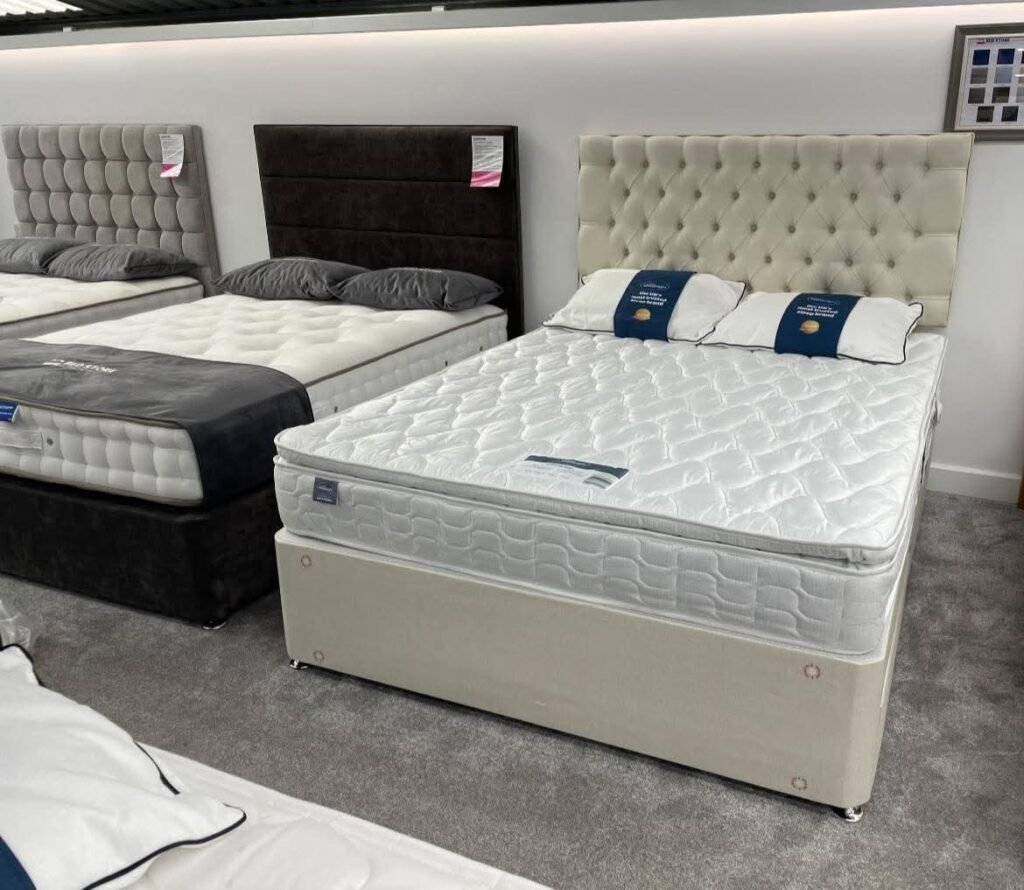
Surface stability depends on internal construction. Movement remains controlled across most designs. The mattress reflects consistent behavior during repositioning.
Conclusion
A mattress platform includes multiple structural types with distinct material behavior. Foam, coil, hybrid, and latex designs operate through different mechanisms. Pressure response, airflow, and motion characteristics vary across these systems. Surface performance reflects internal layout and load interaction.
Bed Store provides mattresses across varied material categories and structural designs. The range includes multiple firmness levels and size options. Product listings present detailed construction features. The catalogue allows comparison across different mattress types.
For more information, visit https://bed-store.co.uk/