Introduction
Schools manage sensitive information every single day, from attendance concerns to wellbeing updates and safeguarding alerts. Handling that information through scattered notes or outdated paper files can slow response times and create avoidable risks. This is where cpoms has earned strong recognition across the UK education sector. It gives schools a secure and organised way to record concerns, share updates, and protect important records through one central system built for professional use.
For teachers, administrators, and safeguarding leaders, time matters. A delay in passing on a concern can affect decision-making and pupil support. This guide explores how cpoms works, how staff access the platform, its core benefits, common login issues, and practical ways schools can use it effectively. If you want a clear understanding of why so many schools rely on this system, this article will help you.
What Is cpoms?
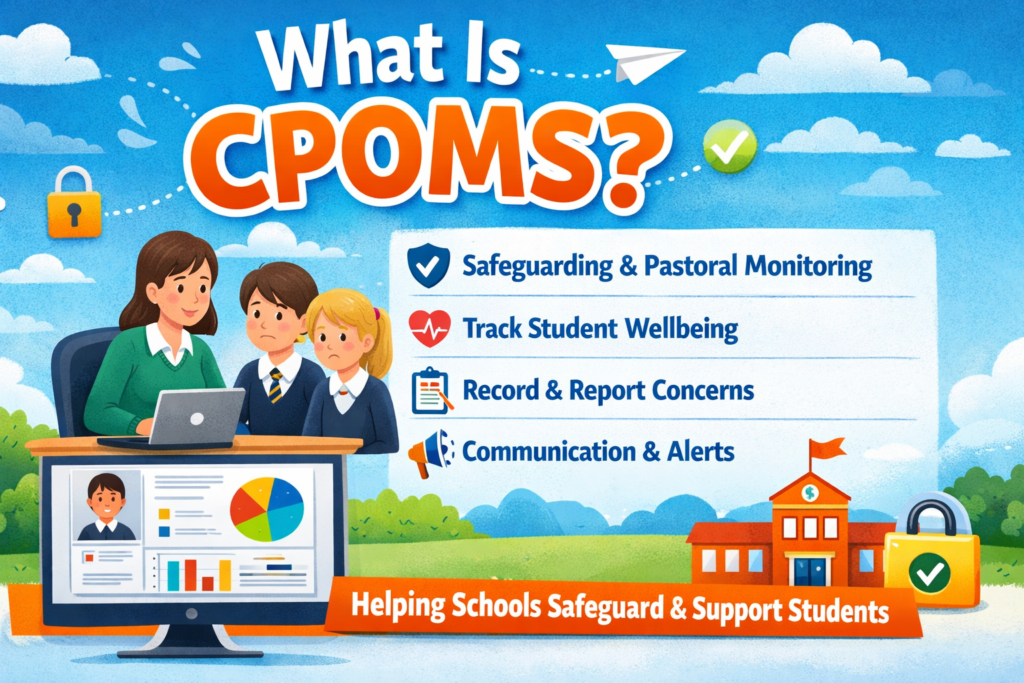
cpoms is a digital safeguarding and wellbeing platform designed for schools and educational settings. It helps authorised staff record incidents, concerns, behavioural notes, attendance patterns, and welfare updates in a secure online environment. Instead of storing information in separate places, schools can centralise records so the right people can review details quickly and act when needed.
The value of the platform is not only in storage, but also in structure. Information can be organised into timelines, linked updates, and case histories that provide context over time. This allows safeguarding teams and school leaders to see patterns rather than isolated events. A single note may seem small, but several connected notes can highlight a bigger issue that requires support or intervention.
Why UK Schools Use cpoms
Many UK schools choose cpoms because it improves speed, consistency, and communication. Staff can log a concern as soon as it happens rather than waiting for paperwork or meetings. Immediate recording helps preserve accurate details, which is especially important when incidents involve wellbeing or safeguarding matters that may require prompt follow-up.
Schools also value the platform because it supports better oversight. Senior leaders and designated safeguarding staff can review trends, check updates, and monitor actions in one place. Instead of chasing information from multiple departments, they can access a clearer picture of what is happening across the school. This leads to stronger coordination, smarter decisions, and more efficient internal processes.
cpoms Login Guide for Schools & Staff
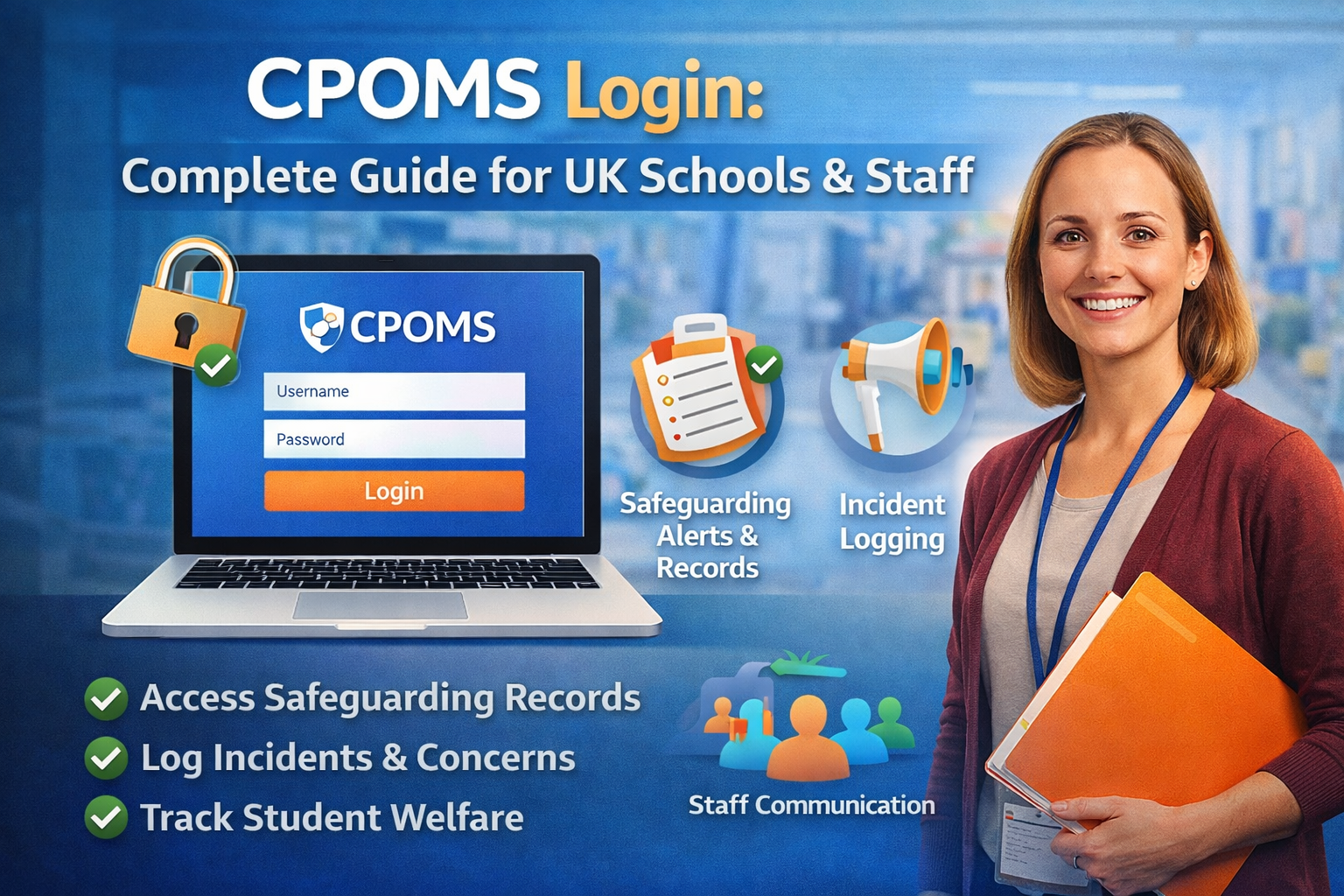
Access to cpoms is usually provided through a school-specific login portal. Staff members often receive usernames, passwords, or single sign-on access from their school administrator or IT department. Once logged in, users can access the tools relevant to their role, whether that means reporting a concern, reviewing a case, or checking notifications linked to their responsibilities.
Secure login habits are essential when using any platform that stores confidential information. Staff should use strong passwords, avoid sharing credentials, and always log out on shared computers. Where available, extra security measures such as two-factor authentication add another layer of protection. A secure login process helps schools protect sensitive records while keeping daily access simple for authorised users.
How Staff Use cpoms in Daily School Life
Teachers often use the platform to record observations or concerns that arise during the school day. This could include changes in behaviour, wellbeing worries, attendance patterns, or incidents that need professional review. By entering details quickly, staff help ensure the information reaches the correct safeguarding or pastoral team without delay.
Support staff, pastoral teams, and leadership staff may use the same platform differently. Some review updates, others coordinate actions, while senior staff may monitor patterns or outcomes. Because access is based on permissions, each person can focus on the tasks relevant to their role. This balance of access and privacy is one reason cpoms fits well into busy school environments.
Main Features of cpoms
One of the most useful features of cpoms is secure incident recording. Staff can create clear records that include dates, actions taken, follow-up notes, and linked concerns. Over time, this creates a structured chronology that helps staff understand the background of a case. Accurate timelines are valuable when reviewing ongoing situations or planning next steps.
The platform may also offer dashboards, alerts, reporting tools, and secure document storage. Notifications can help the right people respond faster, while reports can reveal wider trends that may need attention. Instead of relying on memory or searching through paper files, schools can use organised digital tools that save time and improve consistency across departments.
Benefits of cpoms for Safeguarding
Safeguarding depends on communication, timing, and reliable evidence. cpoms supports all three by making it easier for staff to report concerns and for leaders to review them quickly. When the right people receive accurate information at the right time, schools are better placed to respond appropriately and support pupils effectively.
Another major benefit is accountability. Actions, updates, and case progress can be recorded clearly, creating a useful audit trail. This can help during inspections, internal reviews, or policy checks. Beyond compliance, it also builds confidence that concerns are being handled professionally and consistently, which is essential for trust within any educational setting.
Common cpoms Login Problems and Fixes
The most common issue users face is forgetting login details. In many schools, this can be resolved through a password reset option or by contacting the administrator responsible for managing staff accounts. Quick access matters, so schools often have simple internal processes to restore accounts when needed.
Other login issues may include incorrect web links, unsupported browsers, cached pages, or permission errors. Using the correct school portal, updating the browser, and clearing stored cache often solve the problem. If access still fails, staff should contact internal IT support rather than repeatedly attempting login, as multiple failed attempts may trigger security restrictions.
Best Practices for Using cpoms Effectively
Good records should always be clear, factual, and timely. Staff should record what was seen, heard, or reported, along with actions taken and any relevant context. Avoiding assumptions or emotional language keeps entries professional and useful. Clear records help colleagues understand the situation quickly and support consistent follow-up actions.
Training is equally important. Every staff member should know when to log a concern, how to update information, and which internal procedures apply. Refresher training helps schools maintain quality standards and adapt to policy updates. When everyone understands the process, the platform becomes more effective and easier to trust across the whole organisation.
cpoms vs Traditional Paper Systems
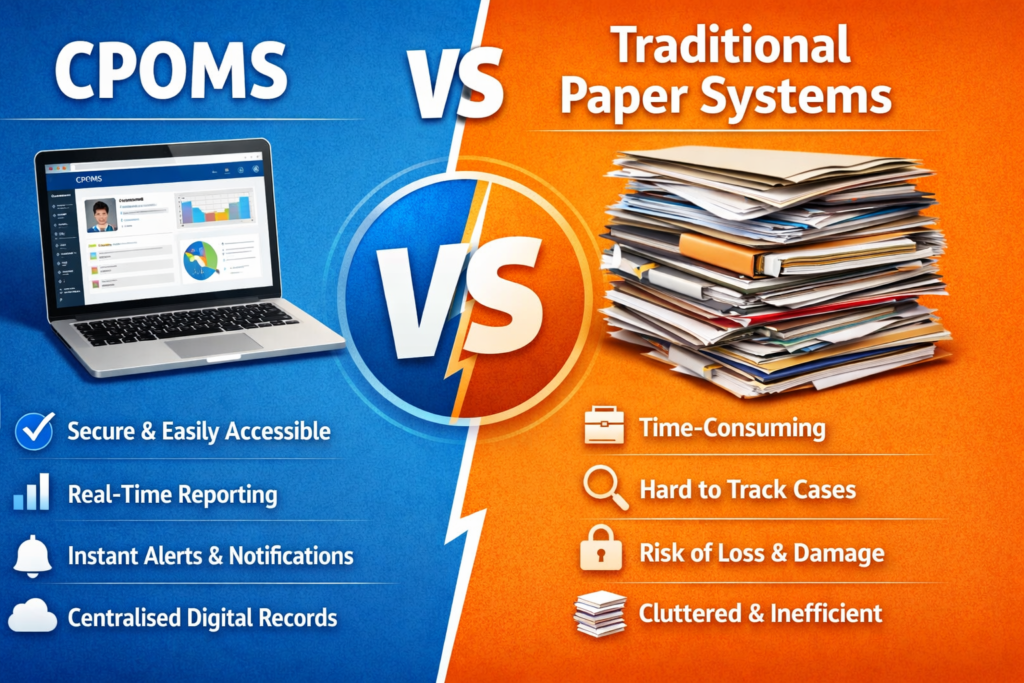
Paper systems may seem familiar, but they often create delays and extra workload. Files can be misplaced, updates may be stored in separate folders, and finding older records can take valuable time. In situations where speed matters, manual systems can make an already difficult task even harder for staff.
Digital tools like cpoms solve many of these problems through searchable records, controlled access, and faster communication. Staff can update cases instantly, authorised users can review histories quickly, and schools reduce the burden of physical storage. Moving from paper to digital processes is not just a technology change—it is a practical improvement in how schools work.
Who Can Use cpoms?
Access depends on each school’s internal structure and safeguarding policy. Common users include teachers, safeguarding leads, senior leadership teams, pastoral teams, and selected administrative staff. Each user may receive different permissions depending on what they need to do within the platform. This helps protect privacy while keeping the system useful.
For example, a classroom teacher may only need to submit concerns or read limited updates, while a safeguarding lead may require broader access to review linked records and manage responses. This flexible permission model allows schools to tailor the system to real operational needs without exposing confidential information unnecessarily.
Conclusion
For many educational settings, cpoms has become more than a software tool. It is now part of the daily framework that supports safeguarding, wellbeing, and internal communication. By combining secure access, organised records, and faster information sharing, it helps schools respond more effectively to the needs of pupils and staff.
As schools continue to modernise their systems, platforms that save time and improve accuracy will remain valuable. A well-managed digital process supports compliance, strengthens teamwork, and reduces avoidable delays. Most importantly, it helps schools focus their energy where it matters most: creating a safer and more supportive learning environment for everyone.
You May Also Read: How to Access mysainsburys Login Portal