
Introduction
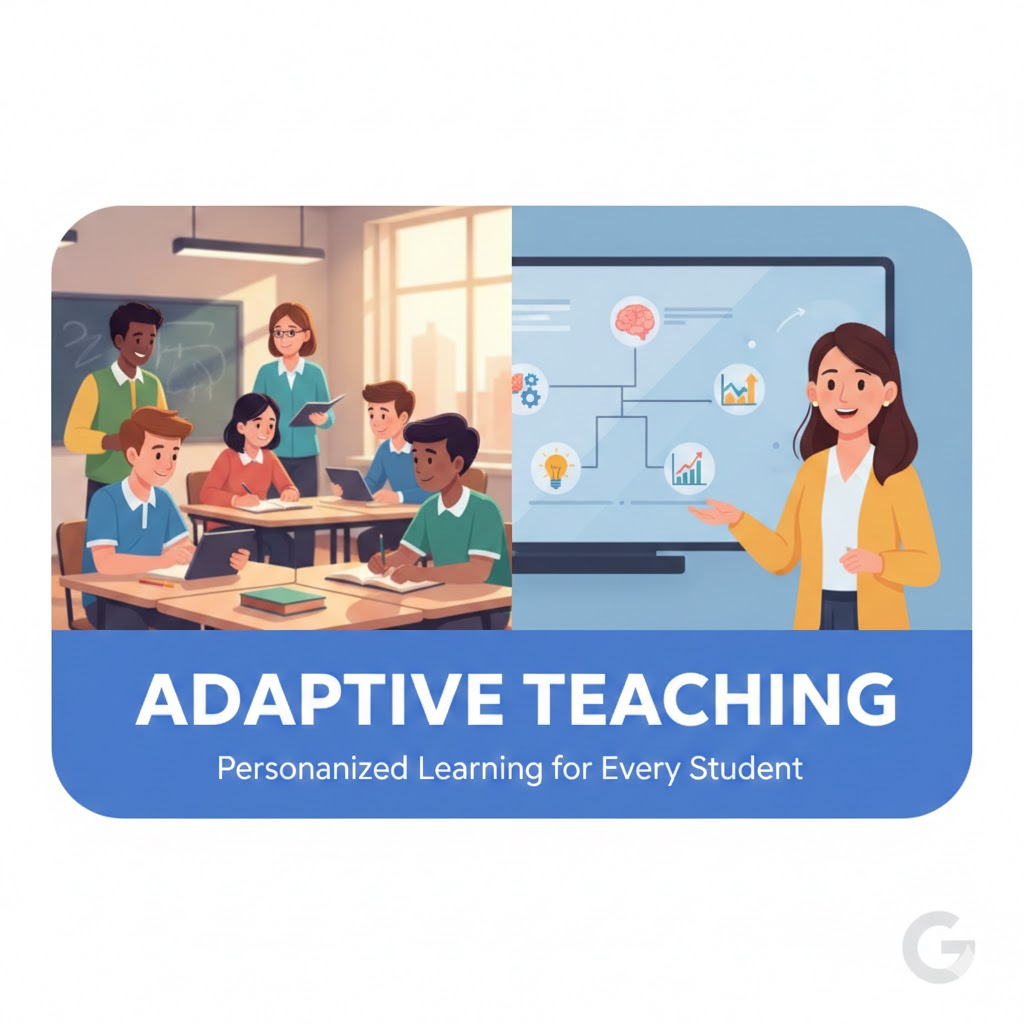
Adaptive teaching is a dynamic approach where educators adjust their teaching in real-time to meet the needs of every student. Unlike traditional methods, it focuses on responsiveness and flexibility, allowing learners to access the same curriculum regardless of their abilities. In UK classrooms, adaptive teaching has become increasingly essential to create inclusive learning environments where all students can thrive.
By implementing adaptive teaching, teachers can observe students’ understanding instantly and modify lessons accordingly. This ensures that lessons remain engaging, challenging, and supportive for all learners. The approach is particularly effective in managing diverse classrooms, including those with SEN and EAL students, promoting equity and learning success across the board.
What Is Adaptive Teaching
Adaptive teaching involves tailoring instruction to suit individual student needs while maintaining high expectations for everyone. It is not about lowering standards but adjusting teaching methods, pace, and support in response to student understanding. Teachers act as learning detectives, constantly monitoring progress and making decisions that ensure every student benefits from the lesson.
This approach differs from differentiation, which often relies on pre-planned tasks for different groups. Adaptive teaching, instead, encourages flexible groupings, micro-adaptations, and immediate interventions, creating a more responsive and effective learning environment. In UK classrooms, this method ensures no student is left behind, regardless of their starting point.
The Benefits of Adaptive Teaching
Adaptive teaching promotes equal learning opportunities, giving all students access to challenging curriculum content. By adjusting lessons in real-time, teachers can prevent students from falling behind while maintaining engagement for advanced learners. This inclusive approach fosters confidence, motivation, and academic growth across diverse classrooms.
Another key benefit of adaptive teaching is its ability to support SEN and EAL learners effectively. By responding to individual needs with targeted scaffolding and feedback, teachers help students overcome learning barriers. Schools adopting adaptive teaching often report improved academic outcomes and higher student satisfaction, making it a valuable strategy in modern education.
Key Strategies for Implementing Adaptive Teaching
Flexible grouping allows students to work in pairs, small groups, or as a whole class depending on learning needs. Teachers can shift students between groups to address challenges or extend learning, ensuring everyone receives the support they require. This real-time adjustment keeps lessons interactive and responsive.
Micro-adaptations are small, immediate changes made during lessons, such as simplifying language or providing extra examples. Scaffolding strategies like sentence starters or templates help students access content confidently. Combining these with ongoing assessment tools like hinge questions and rapid feedback cycles makes adaptive teaching highly effective in meeting diverse learner needs.
Adaptive Teaching Tools and Resources
Digital platforms and interactive apps can help teachers implement adaptive teaching efficiently. Tools that allow instant quizzes, polls, and formative assessments provide valuable feedback, enabling teachers to make informed decisions. In UK classrooms, these resources support both teaching and learning by enhancing engagement and accessibility.
Classroom resources, such as mini-whiteboards, visual prompts, and scaffolding sheets, also play an important role. Professional development programs focused on adaptive teaching equip educators with practical strategies and guidance. By combining technology with traditional tools, teachers can create lessons that are responsive, inclusive, and highly effective.
Challenges of Adaptive Teaching and How to Overcome Them
Implementing adaptive teaching can be time-consuming, especially in larger classrooms. Teachers may struggle to provide real-time support while maintaining curriculum pace. However, using collaborative planning, technology, and peer support can help manage workload and make adaptive teaching sustainable.
Balancing high expectations with individual support is another challenge. Teachers must ensure all students engage with ambitious objectives without feeling overwhelmed. By prioritizing formative assessment and micro-adaptations, educators can overcome these obstacles, ensuring adaptive teaching enhances learning rather than complicates it.
Conclusion
Adaptive teaching is a transformative strategy for UK classrooms, ensuring all learners can succeed regardless of ability or background. By using real-time adjustments, flexible grouping, and micro-adaptations, teachers can create inclusive, engaging, and effective lessons. Schools embracing adaptive teaching often see higher student engagement, improved outcomes, and a more equitable learning environment.
Incorporating adaptive teaching into everyday practice equips educators to meet diverse student needs and foster long-term academic growth. Its focus on inclusivity, responsiveness, and high expectations makes it a powerful approach for modern classrooms across the UK.