
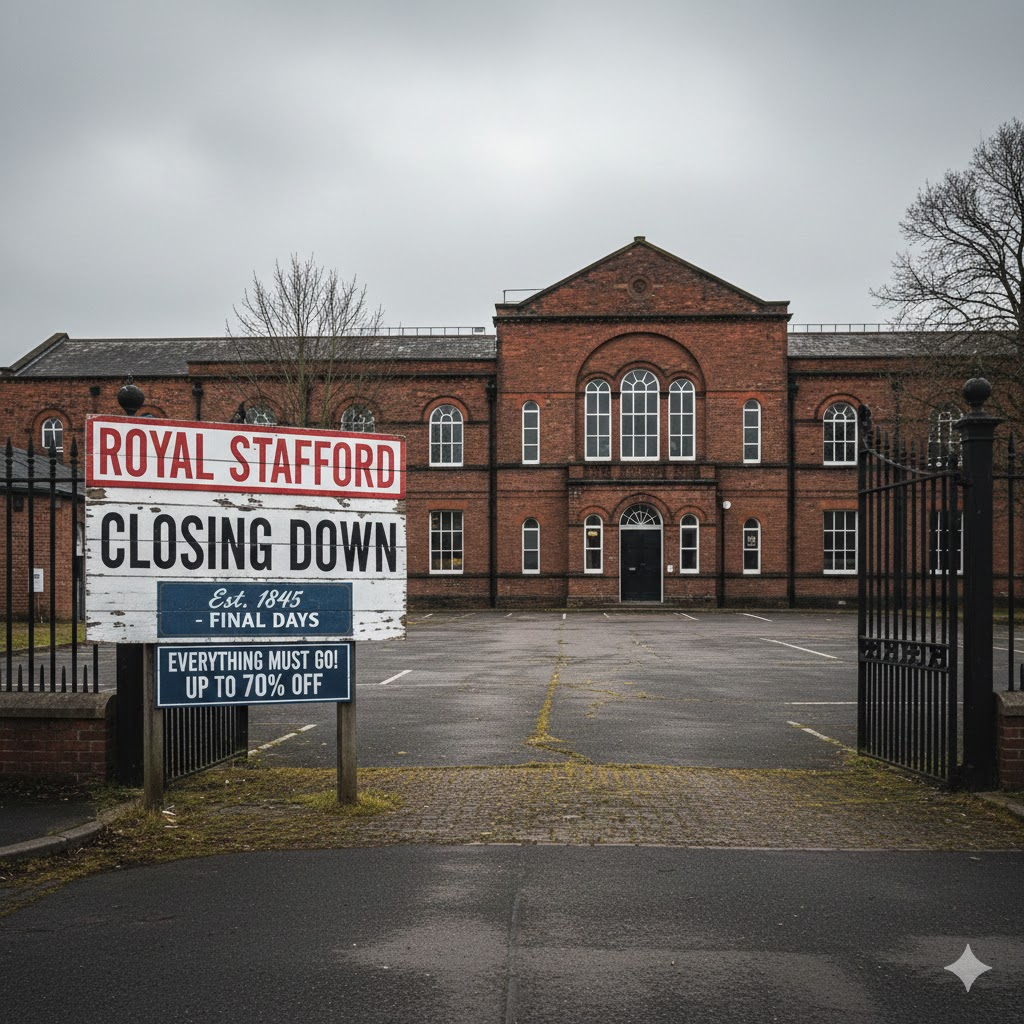
Royal Stafford, a renowned UK pottery firm, has officially announced royal stafford closing down in early 2025, marking the end of nearly 200 years of ceramic excellence. Established in Stoke-on-Trent, the company became a symbol of British craftsmanship, producing iconic tableware and decorative china that were cherished both domestically and internationally. The closure represents a significant moment for the UK pottery industry, as a historic brand faces the harsh realities of modern economics.
The announcement of royal stafford closing down has created shockwaves among employees, collectors, and fans of traditional English ceramics. Rising energy costs, a sharp decline in orders, and intense competition from overseas manufacturers were cited as the main reasons behind the closure. Despite its prestigious history, the company could not sustain operations under these pressures, highlighting the challenges faced by heritage brands in the 21st century.
History of Royal Stafford
Royal Stafford’s history stretches back nearly two centuries, making it one of the UK’s most historic pottery firms. Founded in Stoke-on-Trent, often referred to as the home of British ceramics, the company quickly earned a reputation for exceptional craftsmanship and innovative designs. Its bone china and tableware became staples in households and hotels across the UK, symbolising both quality and elegance.
Over the decades, Royal Stafford expanded its product lines, combining traditional techniques with contemporary styles. Royal stafford closing down in 2025 may seem sudden, but the brand’s legacy has always been characterised by resilience and creativity. Its products remain highly collectible, and many collectors still regard the brand as a benchmark of British ceramic artistry.
Reasons Behind Royal Stafford Closing Down
Several factors led to royal stafford closing down, each contributing to the company’s financial difficulties. The sharp rise in energy costs for heating kilns and running production facilities made daily operations increasingly unsustainable. Coupled with a reduction in domestic and international orders, these economic pressures severely affected revenue and profitability.
Additionally, the competitive landscape for ceramics changed dramatically over the past decade. Cheaper imports, changing consumer preferences, and the challenges of modernising production without compromising quality all played a role. Directors concluded that continuing operations was no longer feasible, ultimately leading to the decision to cease trading and enter liquidation.
Impact of the Closure
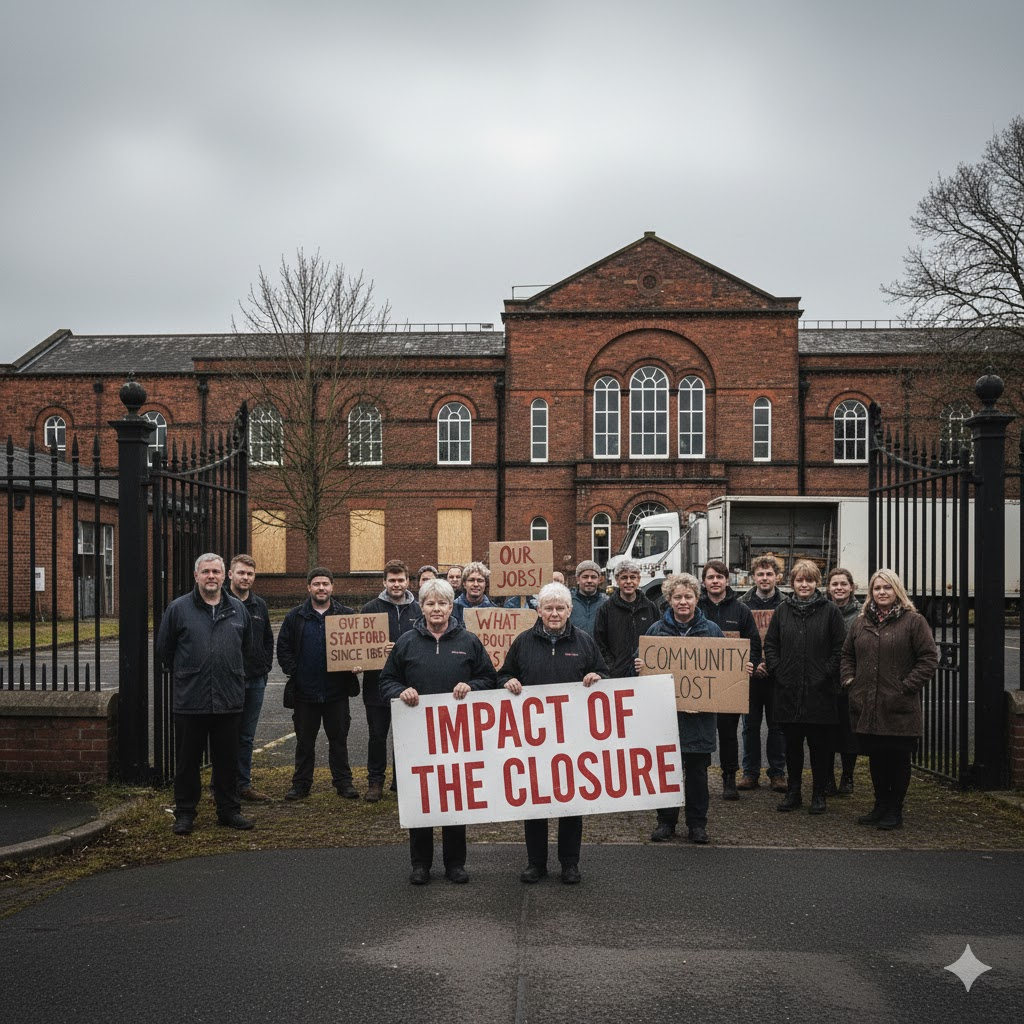
The closure of Royal Stafford has had profound consequences for employees and the local community in Stoke-on-Trent. Over 80 skilled workers lost their jobs, many of whom had dedicated decades to mastering the art of pottery. This sudden loss of employment not only affected personal livelihoods but also highlighted the vulnerability of traditional industries in a rapidly changing economy.
Collectors and enthusiasts also felt the impact of royal stafford closing down. Limited stock and discontinued collections created an immediate surge in demand for existing pieces. Retailers, antique dealers, and fans of the brand sought to secure rare items, illustrating the enduring appeal and value of Royal Stafford products despite the company’s operational difficulties.
Royal Stafford Closing Down Sale
Following the announcement, royal stafford closing down sale events were organised to liquidate remaining assets. These sales included machinery, stock, and finished tableware, attracting collectors, businesses, and enthusiasts eager to acquire rare pieces. Auctions were closely monitored, and several items quickly became highly sought-after due to their historical significance and limited availability.
The royal stafford closing down sale also provided insight into the brand’s final production efforts. Many items sold at auction showcased the craftsmanship that defined the company for generations. While the closure signalled the end of an era, the sale ensured that the brand’s legacy would continue to be appreciated and preserved by collectors worldwide.
Aftermath and Revival Efforts
Despite the closure, hope emerged when Charles Rickards, owner of TG Green, purchased key assets and some of the machinery. A number of former employees were rehired, ensuring that some of Royal Stafford’s skilled workforce remained active in production. While operations restarted on a smaller scale, these efforts marked the beginning of a cautious revival for the historic brand.
Royal stafford closing down under the original company management may have ended, but its name and heritage continue. The revival under new ownership aims to balance modern business needs with traditional craftsmanship. This approach ensures that Royal Stafford products remain desirable, while also allowing the company to gradually rebuild its presence in the UK pottery market.
Future of Royal Stafford Products
The closure and subsequent revival of Royal Stafford have affected both collectors and the wider market. With royal stafford closing down making older pieces rarer, the value of certain collections has increased significantly. Collectors now see historic tableware and bone china as not just decorative items, but also as valuable investments.
Looking forward, the company under new ownership is expected to focus on quality production and selective releases. Royal stafford closing down has reshaped the brand’s approach to business, emphasising sustainable operations while retaining the craftsmanship and artistry that made it a historic UK pottery firm. This ensures that Royal Stafford remains relevant in a competitive market.
Conclusion
Royal stafford closing down marks a bittersweet milestone in UK pottery history. While the closure affected employees, collectors, and the local industry, the brand’s partial revival provides hope for the future. Royal Stafford’s legacy endures through both its historic products and renewed production, reminding us of the resilience, artistry, and enduring significance of British ceramics.
FAQs
Why is Royal Stafford closing down in 2025?
Rising energy costs, reduced orders, and financial challenges made it impossible for the company to continue operating, leading to royal stafford closing down.
When did Royal Stafford officially go into liquidation?
The company entered liquidation in early February 2025, ceasing major operations immediately.
How many jobs were lost due to the closure?
Over 80 employees were made redundant, many of whom had spent decades working for the company.
What is included in the Royal Stafford closing down sale?
The sale featured machinery, stock, and finished tableware, attracting collectors and businesses.
Can Royal Stafford products still be bought after the closure?
Yes, limited pieces are available through auctions, retailers, and the revived production under TG Green.
Who bought Royal Stafford after liquidation?
Charles Rickards, owner of TG Green, purchased key assets and rehired some former employees to resume production.
Will Royal Stafford fully reopen under new ownership?
Operations have restarted on a smaller scale, with plans for gradual growth while maintaining quality craftsmanship.
Are Royal Stafford china and pottery items valuable now?
Yes, scarcity and historical significance have increased the value of both antique and collectible items.