
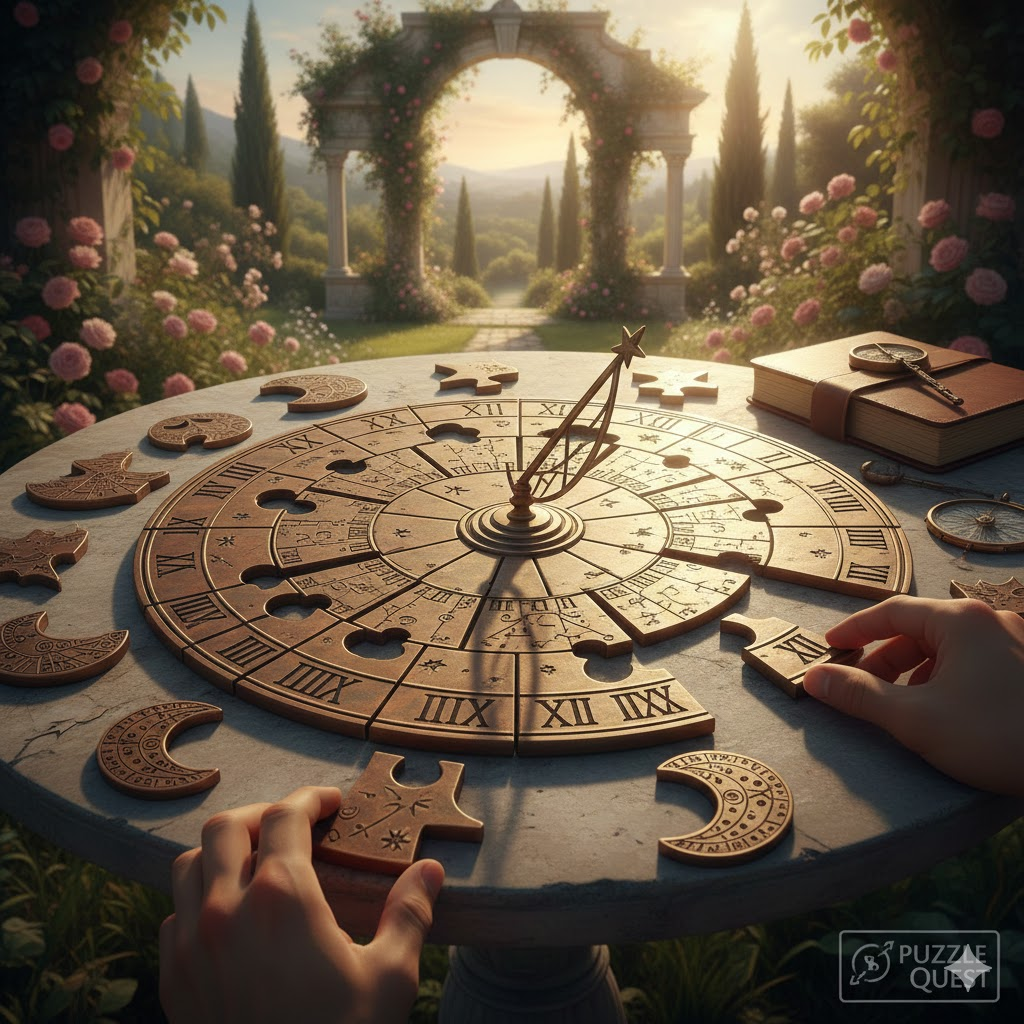
The sun dial puzzle has become one of the most intriguing challenges for puzzle enthusiasts and gamers alike. Originally, sundials were practical devices used to tell time by observing the shadow cast by the gnomon. Over time, the sun dial puzzle evolved into both a traditional logic puzzle and a prominent feature in video games, including Assassin’s Creed Origins and Hogwarts Legacy. Its blend of visual cues and strategic thinking has captured the interest of players around the world.
Engaging with a sun dial puzzle requires patience, careful observation, and an understanding of patterns. In gaming, solving these puzzles often unlocks rewards, hidden locations, or progression in the storyline. Beyond entertainment, they also provide an opportunity to exercise critical thinking and problem-solving skills. Successfully completing a sun dial puzzle gives players a unique sense of achievement and satisfaction.
What is the Sun Dial Puzzle
The sun dial puzzle combines elements of history, logic, and interactive gameplay. In traditional contexts, it involves aligning the gnomon and reading the time indicated by the shadow. However, modern adaptations in games and newspapers have turned it into a mental challenge that tests observation, timing, and strategy. Variations like “sun dial letter puzzles” or “daily sun puzzles” continue to keep enthusiasts engaged.
In video games, the sun dial puzzle adds layers of complexity through environmental interaction and timing. For example, in Assassin’s Creed Origins, the puzzle integrates the game world by requiring players to observe sunlight, align crystals, and interact with pillars. These puzzles are carefully designed to challenge players while remaining logically consistent, making each sun dial puzzle a rewarding experience.
Sun Dial Puzzle in Assassin’s Creed Origins
In Assassin’s Creed Origins, the sun dial puzzle is a highlight of the “A Gift from the Gods” quest. Players must carefully wait for dawn, locate specific pillars emitting blue lights, and shoot a central crystal three times to unlock a hidden temple. Each step demands precision, attention to timing, and careful observation of environmental cues.
Many players encounter challenges if they attempt the sun dial puzzle at the wrong time of day or misinterpret the shadow alignments. Following a methodical approach ensures success. Guides often suggest meditating to advance time and positioning oneself correctly to accurately complete the puzzle. This version of the sun dial puzzle combines historical inspiration with interactive gameplay, making it a memorable challenge.
Sun Dial Puzzle in Other Games
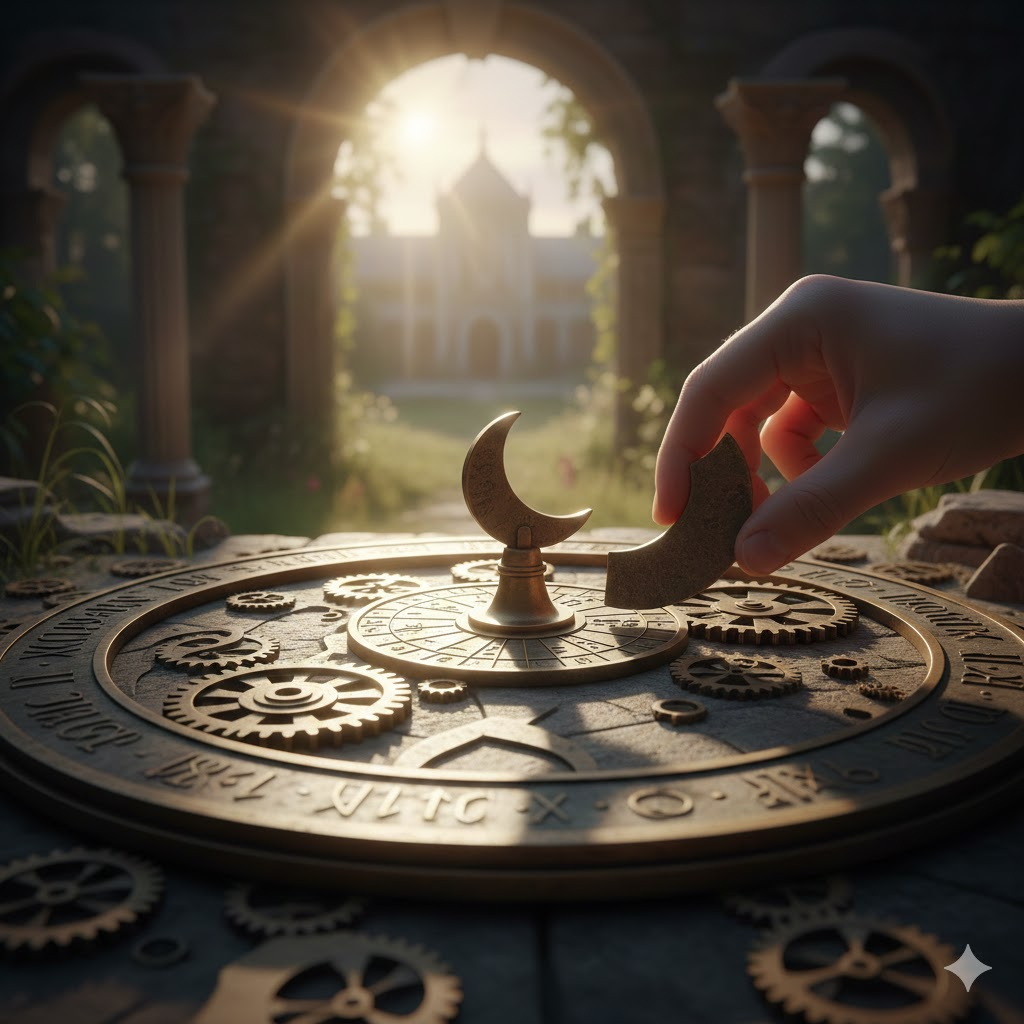
The sun dial puzzle is not exclusive to Assassin’s Creed Origins. In Hogwarts Legacy, players encounter magical sundials requiring precise timing and alignment. The puzzle may involve rotating elements or observing environmental indicators, and completing it often reveals hidden treasures or secret locations. The focus here is on exploration and experimentation, enhancing player immersion.
Similarly, in Remnant 2, the sun dial puzzle appears as an interactive challenge that blends visual cues with problem-solving. While the mechanics differ slightly from other games, the underlying logic remains consistent. Players are encouraged to observe patterns, test various alignments, and exercise patience. Across games, the sun dial puzzle serves as both a brain teaser and a rewarding gameplay element.
Strategies and Tips for Solving Any Sun Dial Puzzle
When approaching any sun dial puzzle, careful observation is essential. Environmental cues such as shadow direction, lighting, and interactive objects provide hints necessary to solve the puzzle. In games, experimenting with different alignments and paying attention to subtle visual indicators often leads to success.
Patience is a critical factor when solving a sun dial puzzle. Rushing can result in mistakes or repeated failures. In some games, mechanics such as meditating to change time or observing patterns over several cycles can help. For traditional sun dial puzzles, ensuring correct placement and orientation is crucial. Combining logical thinking with trial and error often guarantees a satisfying solution.
Common Mistakes and How to Avoid Them
Many players struggle with the sun dial puzzle due to ignoring critical environmental cues or attempting solutions too quickly. Misinterpreting shadow positions, failing to align interactive elements correctly, or skipping steps can cause repeated failure. A careful, methodical approach avoids these issues and makes the puzzle more enjoyable.
Another frequent mistake is assuming all sun dial puzzles follow the same rules. Each game or variation may have unique mechanics, hidden clues, or special timing requirements. Observing the environment and experimenting with different approaches ensures progress. Learning from mistakes and applying consistent strategies often leads to success in both gaming and traditional contexts.
Conclusion
The sun dial puzzle is a fascinating blend of history, logic, and interactive challenge. From traditional sundials to modern gaming adaptations, it has captured the interest of puzzle lovers worldwide. Successfully completing a sun dial puzzle requires observation, patience, and logical thinking, offering both entertainment and a sense of accomplishment.
Whether in Assassin’s Creed Origins, Hogwarts Legacy, or Remnant 2, understanding the mechanics and following strategic approaches allows players to solve the puzzle efficiently. Each sun dial puzzle offers a unique challenge, rewarding persistence and critical thinking. Embracing these puzzles enriches the gaming experience while celebrating the timeless allure of logical problem-solving.