
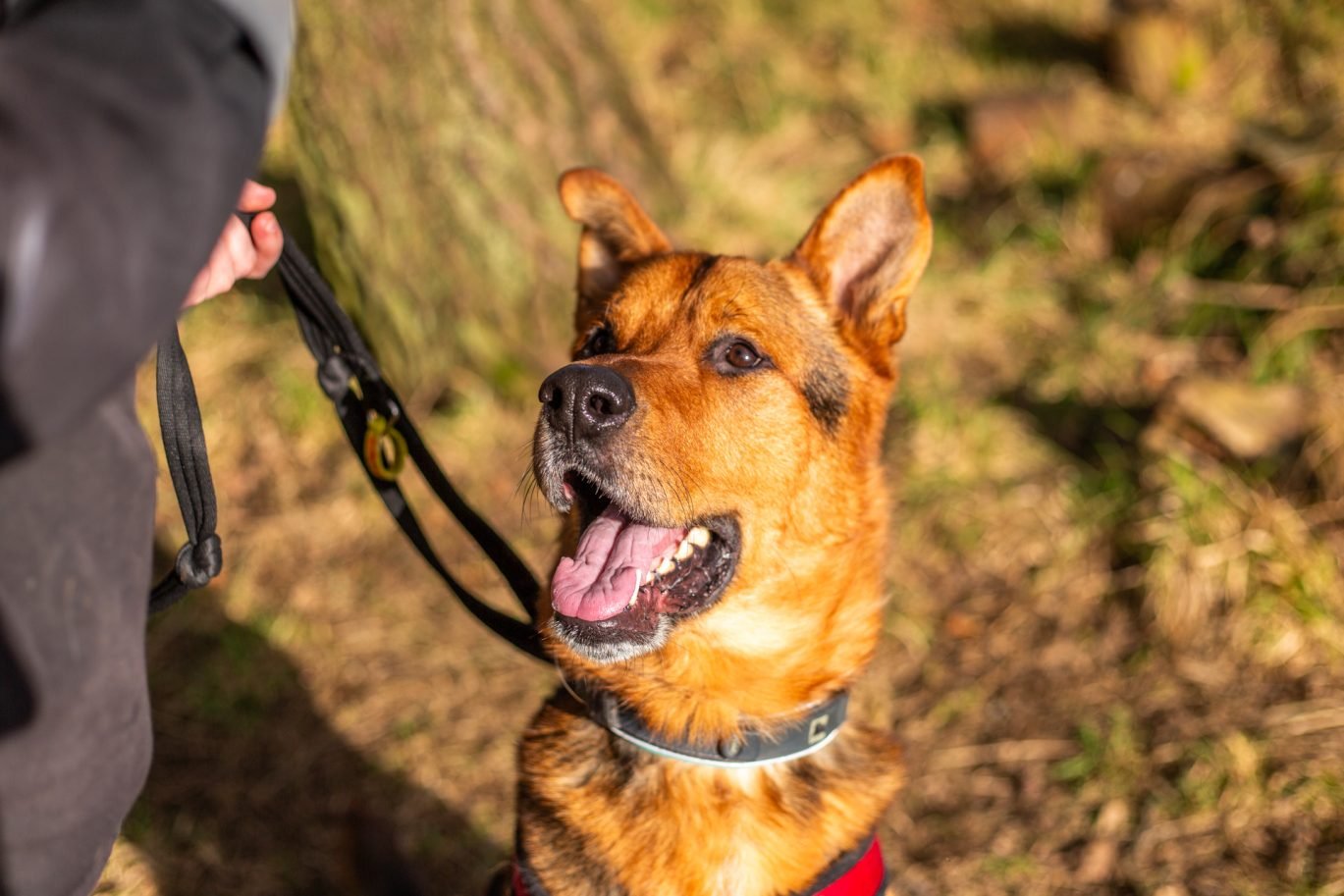
Why Is My Dog Panting So Much?
If you are asking, “why is my dog panting so much”, you are probably worried because your dog’s breathing looks faster or heavier than normal. Panting is a natural way for dogs to cool themselves down, especially after exercise, excitement, or warm weather. Dogs cannot sweat like humans, so panting helps release heat and bring their body temperature back to a safer level.
However, excessive panting can sometimes be a sign that something is wrong. Your dog may be feeling too hot, anxious, stressed, in pain, or unwell. The most important thing is to compare the panting with your dog’s normal behaviour. If the panting is sudden, heavy, constant, or happening while your dog is resting, it may need closer attention.
When Dog Panting Is Normal
Panting is usually normal when your dog has been running, playing, walking, travelling, or feeling excited. For example, your dog may pant after chasing a ball in the garden or meeting visitors at the door. In these situations, panting should slowly settle once your dog rests in a cool place and has access to fresh drinking water.
Normal panting should not make your dog look weak, confused, or uncomfortable. Your dog should still respond to you, move normally, and calm down after a short while. If your dog is bright, alert, and breathing becomes steady again, there is usually no need to panic. Still, always keep an eye on changes in behaviour.
Why Is My Dog Panting So Much While Resting?
If you keep thinking, “why is my dog panting so much while resting”, this can be more concerning than panting after exercise. A dog that pants heavily while lying down may be too warm, anxious, in pain, or dealing with a hidden health issue. This type of panting should not be ignored, especially if it is new.
Resting panting may also happen because of fever, breathing problems, heart issues, medication side effects, or discomfort. Look for extra signs such as shaking, pacing, whining, coughing, vomiting, drooling, pale gums, or loss of appetite. If your dog seems distressed or the panting does not settle, it is best to contact a vet.
Heat and Heatstroke Warning Signs
Heat is one of the most common reasons behind heavy dog panting. Dogs can overheat quickly in warm weather, cars, conservatories, poorly ventilated rooms, or during long walks on hot days. If your dog is panting hard, drooling more than usual, or struggling to settle, they may be getting too hot and need help immediately.
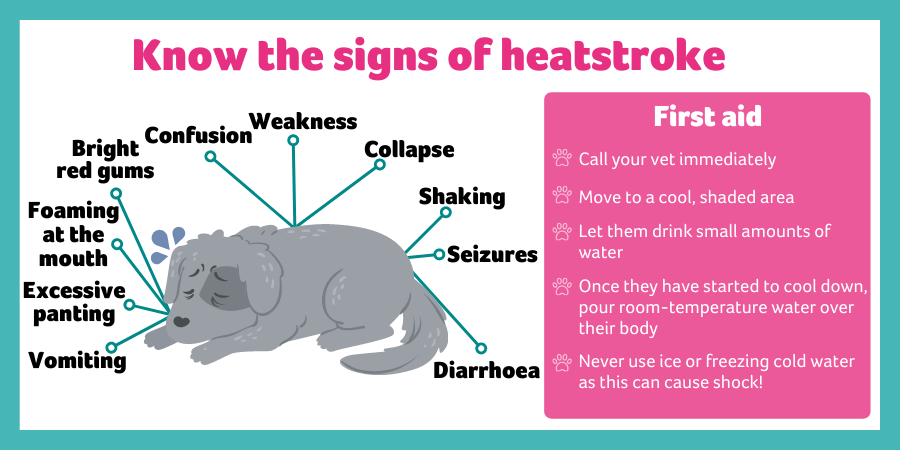
Heatstroke can become dangerous very quickly. Warning signs may include heavy panting, red gums, excessive drooling, vomiting, weakness, wobbling, confusion, collapse, or breathing difficulty. Move your dog to a cooler place, offer small amounts of water, and contact a vet urgently if you suspect heatstroke. Acting fast can protect your dog from serious harm.
Stress, Fear and Anxiety
Stress is another reason why is my dog panting so much might become a regular concern. Dogs may pant when they feel frightened, nervous, or overstimulated. Common triggers include fireworks, thunderstorms, car journeys, vet visits, grooming, loud noises, new visitors, or being left alone. In these moments, panting is linked to emotion rather than heat.
An anxious dog may also pace, tremble, hide, whine, lick their lips, yawn, or refuse food. Try moving your dog to a calm and quiet space where they feel safe. Speak gently and avoid punishment, as this can make anxiety worse. If stress panting happens often, a vet or qualified behaviourist can help.
Pain or Illness Can Cause Heavy Panting
Dogs often hide pain, so panting may be one of the first clues that something is not right. Pain from injury, arthritis, dental disease, stomach problems, infections, or internal illness can cause a dog to breathe heavily. This is especially important if your dog is panting without exercise or heat as an obvious reason.
Illness can also make panting worse because the body is under pressure. Your dog may seem restless, tired, clingy, quiet, or less interested in food. Some dogs may shake, limp, cough, or struggle to get comfortable. If your dog’s panting feels unusual and you cannot explain it, a vet check is the safest choice.
Breeds More Likely to Pant Heavily
Some dogs are more likely to pant heavily because of their breed, body shape, age, or weight. Flat-faced breeds such as Pugs, French Bulldogs, Bulldogs, Boxers, and Shih Tzus can find breathing and cooling down harder. Their shorter airways can make warm weather and exercise more challenging than it is for other dogs.
Older dogs, overweight dogs, puppies, and thick-coated breeds may also struggle more in heat. These dogs need extra care during warmer months, especially in the UK when sudden hot days can catch owners off guard. Short walks, shade, fresh water, and cool rooms can make a big difference to their comfort and safety.
What to Do If Your Dog Is Panting Too Much
If you are wondering, “why is my dog panting so much and what should I do now”, start by checking the situation calmly. Has your dog been walking, playing, travelling, or sitting somewhere warm? Move them to a cool, quiet place, stop exercise, offer fresh water, and watch their breathing closely for improvement.
Do not force your dog to drink or continue activity if they seem tired or overheated. Check for worrying signs such as collapse, vomiting, blue or pale gums, severe weakness, or noisy breathing. If the panting is extreme, does not settle, or appears with other symptoms, call your vet for urgent advice.
What Not to Do When Your Dog Is Panting Heavily
Do not assume heavy panting is always harmless. A dog that is panting hard, drooling, shaking, vomiting, or acting confused may need quick help. Waiting too long can make problems worse, especially if the cause is heatstroke, pain, poisoning, breathing trouble, or heart-related illness. It is always better to be cautious.
Avoid locking your dog in a warm room, leaving them in a parked car, or forcing them to keep walking. Do not use extreme cooling methods that may shock your dog. Instead, move them somewhere cooler, offer water, keep them calm, and speak to a vet if you are worried about their condition.
How to Prevent Excessive Panting
You can reduce the risk of excessive panting by keeping your dog cool, calm, and healthy. Walk your dog early in the morning or later in the evening during hot weather. Always provide fresh water, avoid hot pavements, use shaded areas, and give your dog plenty of time to rest after activity.
Prevention also includes regular vet checks, weight control, and watching your dog’s normal breathing patterns. Once you know what is normal for your pet, it becomes easier to spot changes. If why is my dog panting so much becomes a common question in your home, your dog may need a professional health review.
Conclusion
So, why is my dog panting so much? In many cases, the answer is simple: your dog may be warm, excited, tired, or slightly stressed. Panting is a normal part of dog life, but it should usually settle once your dog rests, cools down, and feels safe again.
Heavy, sudden, or constant panting should be taken seriously, especially when it happens at rest or comes with other symptoms. If your dog seems weak, confused, in pain, unable to breathe properly, or the panting does not improve, contact a vet. Quick action can make all the difference.
FAQs
Why is my dog panting so much at night?
Your dog may pant at night because the room is too warm, they are anxious, or they are uncomfortable. Older dogs may also pant because of pain, arthritis, heart problems, or breathing difficulties. If night-time panting becomes regular, it is worth getting your dog checked by a vet.
Why is my dog panting so much while doing nothing?
Panting while doing nothing can happen because of heat, stress, pain, fever, medication, or an underlying illness. If your dog has not been active and the room is not warm, monitor them carefully. Contact your vet if the panting is heavy, unusual, or does not settle.
Is heavy panting a sign of heatstroke?
Yes, heavy panting can be one of the first warning signs of heatstroke. Other symptoms may include drooling, vomiting, weakness, red gums, confusion, wobbling, or collapse. Heatstroke can become life-threatening, so move your dog somewhere cool and contact a vet urgently.
How long should dog panting last after exercise?
Panting after exercise should gradually calm down once your dog rests, cools off, and drinks water. The time can vary depending on age, breed, fitness, and weather. If your dog keeps panting for a long time or seems distressed, it is best to ask a vet.
Can anxiety make my dog pant a lot?
Yes, anxiety can make dogs pant heavily, even when they are not hot. Fireworks, travel, separation, loud sounds, and unfamiliar places can all trigger stress panting. You may also notice pacing, shaking, hiding, or whining. Frequent anxiety should be managed with professional guidance.
You May Also Read: What is the strongest natural antibiotic for tooth infection?