
Introduction
The question what was the status of US workplace safety laws in 1900? opens the door to one of the most important chapters in American labour history. Around this time, the United States was becoming an industrial powerhouse, with factories, railways, mines and mills growing at great speed. However, worker protection did not grow at the same pace, leaving many employees exposed to daily danger.
In 1900, workplace safety laws were still basic, uneven and often poorly enforced. Some states had passed rules for factories, inspections and dangerous working conditions, but there was no strong national safety system like modern workers know today. For many labourers, safety depended on location, employer attitude and whether local officials actually enforced the law.
What Was the Status of US Workplace Safety Laws in 1900?
So, what was the status of US workplace safety laws in 1900? The simplest answer is that they were limited, mostly state-based and weakly enforced. Some states had introduced safety laws before 1900, especially in industrial areas where factories and mines were common. However, these laws were not equal across the country, and many workers remained without meaningful protection.
The main problem was not only that laws were limited, but that enforcement was inconsistent. A rule might exist on paper, yet inspections could be rare and penalties too weak to force real change. Workers were still expected to accept dangerous conditions, while employers often had more power than the people doing the hardest and riskiest jobs.
Why Workplace Safety Became a Serious Issue
By 1900, American workplaces were changing quickly. More people were working in factories, steel mills, textile plants, mines and railway yards. These jobs helped build the country’s economy, but they also carried serious risks. Heavy machines, exposed gears, fires, explosions, falling objects and toxic materials were part of everyday working life for millions of people.
Many workers had little training and even less protection. Long hours made people tired, and tired workers were more likely to suffer accidents. Children and immigrants were also common in dangerous workplaces, often taking low-paid jobs because they had few alternatives. This created a system where business growth often mattered more than human safety.
State Laws Were the Main Form of Protection
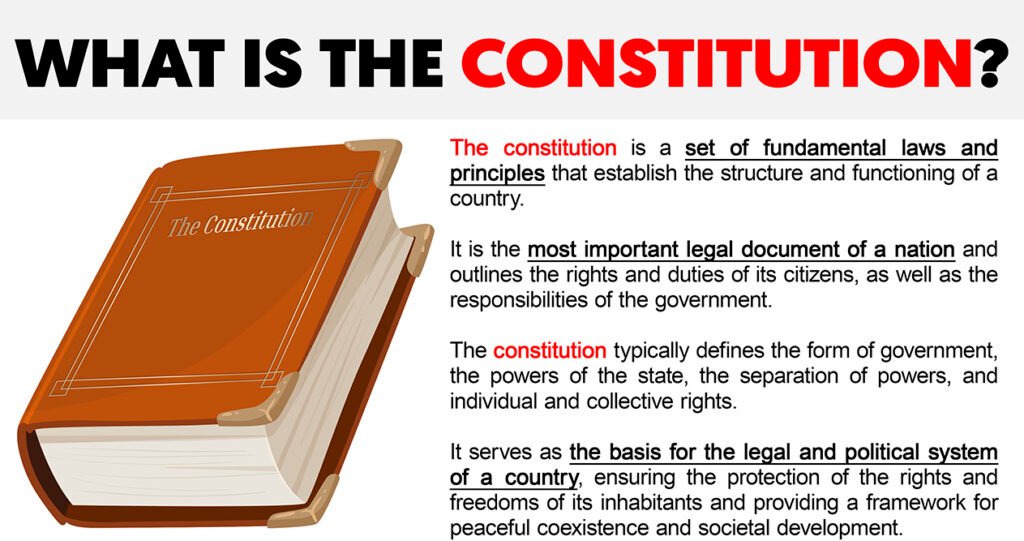
When asking what was the status of US workplace safety laws in 1900?, it is important to remember that most protection came from individual states. There was no powerful nationwide safety law covering all industries. Instead, some states made their own rules for factory inspections, child labour, machinery safety and working conditions, while others moved more slowly.
This state-by-state approach created a patchwork system. A worker in one state might have some protection, while another worker in a different state could face almost no safety standards. Even in states with stronger rules, the laws were often narrow. They might protect certain workers or industries, but leave many others exposed to serious hazards.
Weak Enforcement Made Laws Less Effective
Weak enforcement was one of the biggest reasons workplace safety laws failed many workers in 1900. Inspections were often limited because departments had too few staff, too little funding and not enough legal authority. In some places, inspectors could identify unsafe conditions, but employers were not always forced to make quick or serious improvements.
Employers also had financial reasons to resist safety changes. Installing guards on machines, improving ventilation, reducing fire risks or making mines safer could cost money. Many businesses preferred to protect profits rather than invest in safer workplaces. As a result, laws existed, but dangerous conditions often continued behind factory doors and inside mines.
Workers Had Limited Rights After Injuries
Another key part of what was the status of US workplace safety laws in 1900? is how injured workers were treated. Modern workers’ compensation systems were not yet common, so injured employees often had to sue their employers in court. This was expensive, stressful and difficult, especially for poor workers who had already lost wages because of injury.
Employers could use several legal defences to avoid responsibility. They might argue that the worker accepted the risk of the job, caused the accident personally, or was injured because of another employee’s mistake. These arguments made compensation hard to win. Many injured workers and their families received little help, even after life-changing workplace accidents.
Dangerous Industries Faced the Highest Risks
Some industries were especially dangerous in 1900. Mining was one of the worst because workers faced cave-ins, explosions, poisonous gases and dust-related illness. Railway workers also faced severe danger from moving trains, heavy equipment and long working hours. These jobs were essential to America’s growth, but they often came at a heavy human cost.
Factories were also full of hazards. Textile workers dealt with dust and fast-moving machines, while steel and manufacturing workers faced heat, sharp tools and crushing injuries. Fire safety was another major concern, especially in crowded buildings with poor exits. These risks showed why early workplace safety laws were not strong enough to meet industrial realities.
Labour Unions and Reformers Pushed for Change
Labour unions played an important role in pushing workplace safety into public debate. Workers began organising for safer conditions, shorter hours, better wages and fairer treatment after accidents. They argued that injuries were not simply bad luck, but often the result of unsafe workplaces, weak laws and employers who ignored preventable risks.
Reformers, journalists and public campaigners also helped expose the reality of industrial work. Their efforts helped ordinary people understand how dangerous many workplaces had become. This pressure grew during the Progressive Era, when more Americans began demanding government action. Slowly, workplace safety became seen as a public responsibility, not just a private business matter.
Federal Workplace Safety Laws Were Still Limited
In 1900, federal workplace safety protection was still very limited. The United States did not yet have modern national safety agencies or broad workplace standards. Most workers were not protected by a federal system that inspected workplaces, set detailed safety rules or punished employers consistently for unsafe conditions. That level of protection came much later.
This limited federal role meant workers depended heavily on state governments. If a state had weak laws or poor enforcement, workers had few other options. The lack of national standards also meant employers could operate under very different rules depending on location. This made the workplace safety system uneven, confusing and often unfair.
How Workplace Safety Laws Changed After 1900
After 1900, pressure for reform became stronger. The Progressive Era brought greater attention to child labour, factory safety, public health and employer responsibility. States gradually passed stronger inspection laws, and workers’ compensation systems began to develop in the early 20th century. These reforms did not solve every problem immediately, but they marked real progress.
Major workplace disasters also pushed lawmakers to act. When the public saw the scale of preventable injuries and deaths, support for stronger safety laws increased. Over time, workplace protection became more organised and serious. The weak system of 1900 helped show why stronger laws, better inspections and fair compensation were urgently needed.
Why the 1900 Safety System Was Weak
The answer to what was the status of US workplace safety laws in 1900? can be summed up clearly: laws existed in some places, but they were not strong enough. The system was weak because rules varied by state, enforcement was poor, penalties were limited and workers had little power to challenge unsafe conditions.
Another weakness was the gap between written law and real workplace practice. A state might pass a safety rule, but if inspections were rare or employers ignored the rule, workers still suffered. This made workplace safety in 1900 more of an emerging reform issue than a fully developed legal protection system.
Conclusion
In conclusion, what was the status of US workplace safety laws in 1900? They were limited, uneven and mostly controlled by individual states. Some safety laws had been passed, but they were often narrow and weakly enforced. Many workers still faced dangerous machines, unsafe buildings, long hours and little support after injuries.
The year 1900 was important because it showed the need for stronger workplace protection. It was a period when America’s industries were growing faster than its safety laws. Although the system was weak, it helped set the stage for later reforms, including stronger state laws, workers’ compensation and eventually modern federal workplace safety standards.
FAQs
What was the status of US workplace safety laws in 1900? Workplace safety laws were limited, mostly state-based and weakly enforced. Some states had passed basic safety rules, but protection varied widely. Many workers still faced unsafe factories, mines and railways with little legal support.
Did the US have strong federal workplace safety laws in 1900? No, the federal government had not yet created broad national workplace safety protections. Most rules came from individual states, which meant workers did not have equal safety rights across the country.
Were workers protected after workplace injuries in 1900? Injured workers often had to sue employers, which was difficult and expensive. Without modern workers’ compensation systems, many employees received little or no financial support after accidents.
Why were workplace safety laws weak in 1900? They were weak because enforcement was poor, inspections were limited and employers often resisted safety improvements. State laws also varied, so protection depended heavily on where a worker lived.
Which jobs were most dangerous in 1900? Mining, railway work, factory labour, steel production and textile work were among the most dangerous. Workers in these industries faced machines, explosions, fires, dust, toxic materials and long working hours.
You May Also Read: What does a bee stinger look like in skin?