
What Does a Bee Sting Look Like?
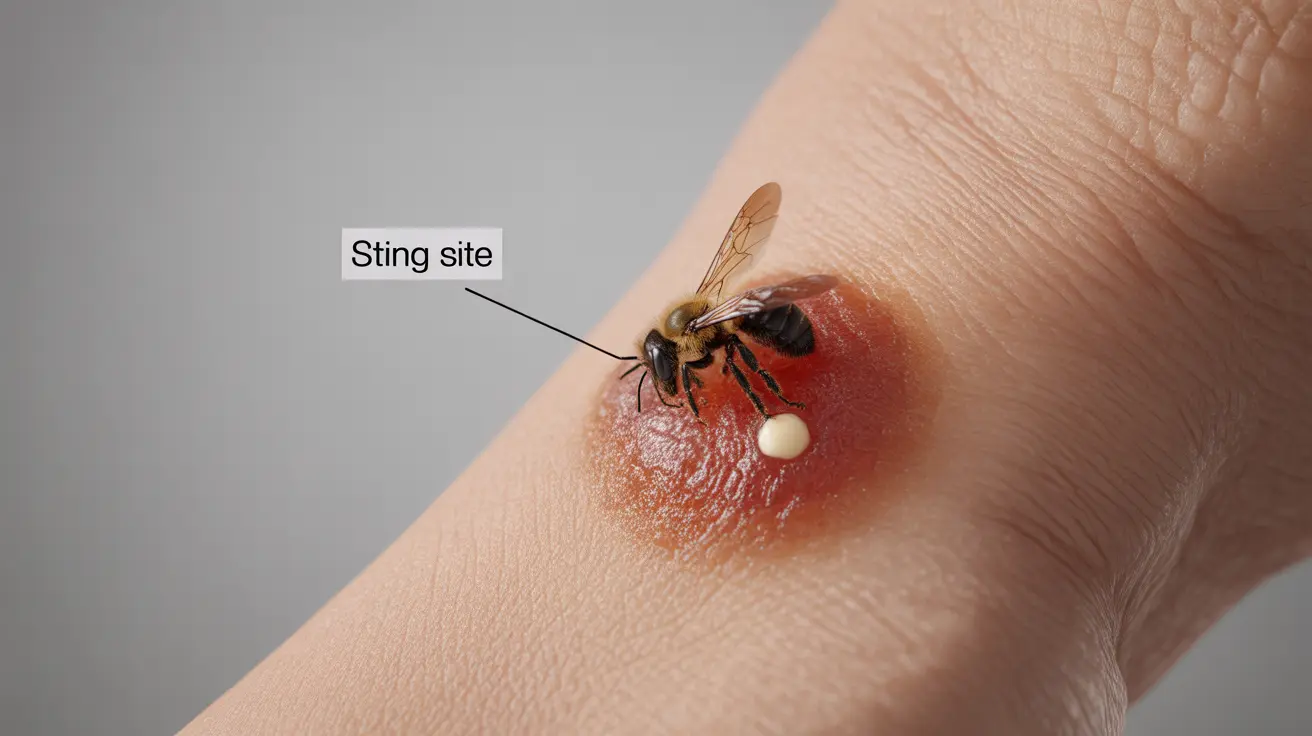
What does a bee sting look like? A typical bee sting usually appears as a small, raised bump on the skin with redness, swelling, and a tiny puncture mark in the centre. Some people may notice a small white spot around the sting site, while others may see a dark dot if the stinger is still stuck in the skin. The area can feel painful, warm, itchy, and tender soon after the sting happens.
The look of a bee sting can vary from person to person. On lighter skin, the sting may look red or pink, while on darker skin it may appear darker, purple-toned, swollen, or shiny. A sting on the hand, finger, face, or foot may also look larger because these areas can swell more easily. Most mild bee stings improve with simple care and do not lead to serious problems.
Common Symptoms of a Bee Sting
Bee sting symptoms often start immediately. Many people feel a sharp, burning pain at the exact spot where the bee stung them. After that first sting of pain, the skin may become red, swollen, warm, and itchy. The centre of the sting may feel sore when touched, and the swelling may slowly increase over the next few hours before it begins to settle.
In most cases, these symptoms stay close to the sting area. However, some people may develop a larger local reaction, where swelling spreads across a wider part of the skin. For example, a sting on the finger may make the whole finger look puffy, or a sting on the ankle may make the foot feel tight. This can look worrying, but it is not always dangerous unless allergy symptoms appear.
Bee Sting Pictures and Skin Appearance
When people search for what does a bee sting look like, they often want to compare their skin with bee sting pictures. A normal bee sting may show a raised red bump, a swollen welt, a pale centre, or a tiny puncture mark. If the bee was a honeybee, a small stinger may remain in the skin and look like a dark speck in the middle of the irritated area.
Bee sting pictures can be helpful, but they should only be used as a general guide. Not every sting looks identical, and skin reactions can change over time. A fresh sting may look small at first, then become more swollen later in the day. If the skin becomes very painful, starts leaking pus, feels extremely hot, or continues getting worse, it is best to seek medical advice.
What Does a Bee Stinger Look Like in Skin?
A bee stinger in the skin often looks like a tiny black, brown, or dark dot at the centre of the sting. It may be difficult to see if the area is swollen or red, but checking for it is important. Honeybees can leave their barbed stinger behind, and it may continue to release venom for a short time after the sting happens.
If you can see the stinger, remove it gently as soon as possible. The best method is usually to scrape it away with a fingernail, bank card, or another flat edge. Avoid squeezing the sting area with your fingers or tweezers if possible, as this may press more venom into the skin. Once removed, wash the area with soap and water.
Normal Bee Sting Reaction
A normal bee sting reaction usually stays around the sting site. The skin may look red, raised, swollen, and slightly shiny. You may feel pain at first, followed by itching or tenderness as the area begins to heal. This type of reaction is common and often improves within a few days with basic first aid and careful monitoring.
The swelling may look worse on the first or second day, especially if the sting is on a sensitive area. This does not always mean something is wrong. The body is simply reacting to the venom. However, the discomfort should gradually reduce. If the swelling keeps spreading after several days or the pain becomes stronger, it may need medical attention.
Allergic Reaction Warning Signs
An allergic reaction to a bee sting can be serious and may happen quickly. Warning signs include difficulty breathing, swelling of the lips, tongue, throat, or face, dizziness, fainting, wheezing, chest tightness, confusion, or widespread hives. These symptoms are not a normal local reaction and should be treated as urgent, especially if they appear soon after the sting.
Anyone with these symptoms should get emergency medical help straight away. People who already know they are allergic to bee stings may carry an adrenaline auto-injector and should follow their emergency plan. Even if the skin mark itself looks small, a whole-body reaction can be dangerous. The size of the bump does not always show how serious the reaction is.
Bee Sting Treatment and First Aid
The first step after a bee sting is to move away from the area calmly, especially if there are more bees nearby. Check the skin for a stinger and remove it carefully if you can see one. Then wash the area with clean water and soap. Applying a cold compress can help reduce pain, swelling, and heat in the skin.
You can also keep the affected area raised if the sting is on your hand, arm, foot, or leg. Try not to scratch the sting, even if it feels itchy, because broken skin can increase the risk of infection. Some people may use suitable over-the-counter pain relief or antihistamines, but it is always wise to follow the label or ask a pharmacist if unsure.
How Long Does a Bee Sting Last?
A bee sting usually hurts most during the first few minutes. The sharp pain may then become a dull ache, while redness and swelling may build over the next few hours. Itching can appear later as the skin reacts and starts to heal. For many people, the worst discomfort improves within the first day.
Mild swelling and redness may last for two or three days. Larger local reactions can take up to a week to settle fully. If you are wondering what does a bee sting look like after a few days, it may still appear slightly red, itchy, or swollen, but it should be improving. If it looks worse, feels infected, or causes fever, speak to a healthcare professional.
Bee Sting vs Wasp Sting
A bee sting and a wasp sting can look very similar on the skin. Both may cause redness, swelling, pain, itching, and a raised bump. The biggest clue is the stinger. Honeybees often leave a stinger behind, while wasps usually do not. Wasps can also sting more than once, so there may be more than one painful mark.
In many cases, you may not see the insect clearly enough to know what stung you. That is why treatment focuses on symptoms rather than the insect alone. Whether it is a bee or wasp sting, clean the skin, reduce swelling, avoid scratching, and watch for allergic reaction signs. Severe symptoms need urgent care.
When Should You Worry About a Bee Sting?

You should worry about a bee sting if the reaction spreads beyond the local area or affects breathing, swallowing, balance, or awareness. Swelling of the throat, lips, tongue, or face is a serious warning sign. Widespread hives, fainting, chest tightness, or sudden weakness should also be treated as an emergency.
You should also get advice if the sting site looks infected. Infection signs can include pus, increasing redness, red streaks, fever, worsening pain, or swelling that continues to grow after a few days. If the sting is near the eye, inside the mouth, or affects a young child, older adult, or vulnerable person, it is safer to seek professional advice.
How to Prevent Bee Stings
Preventing bee stings often comes down to staying calm and avoiding sudden movements. If a bee flies near you, do not swat at it. Move away slowly and gently. Bees are often attracted to flowers, sweet drinks, fruit, bins, perfumes, and bright floral clothing, so take extra care during picnics, gardening, and warm outdoor days.
Wearing shoes outside, covering food and drinks, and checking before touching plants can also reduce your risk. If you find a nest or hive near your home, do not try to remove it yourself. Contact a suitable pest control or bee removal professional. Simple habits can make outdoor time safer without harming bees unnecessarily.
Conclusion
What does a bee sting look like? In most cases, it looks like a small raised bump with redness, swelling, pain, itching, and a tiny puncture mark in the centre. Sometimes a stinger is visible as a small dark dot. The reaction may look different depending on skin tone, sting location, and personal sensitivity.
Most bee stings are mild and improve with basic first aid, including removing the stinger, washing the area, using a cold compress, and avoiding scratching. However, serious allergic symptoms should never be ignored. If breathing problems, throat swelling, fainting, or widespread hives appear, emergency help is needed straight away.
FAQs
What does a bee sting look like at first?
At first, a bee sting usually looks like a small raised bump with redness, swelling, and a tiny mark in the centre. It may also feel sharp, hot, painful, or itchy very quickly after the sting happens.
The area may continue to swell during the first few hours. If the stinger is still in the skin, it may look like a small dark dot. Remove it carefully and clean the area.
Is swelling normal after a bee sting?
Yes, swelling is normal after a bee sting. Mild swelling around the sting site is part of the body’s reaction to venom. It may become more noticeable during the first day.
However, swelling that affects the throat, tongue, lips, or face can be a warning sign of a serious allergic reaction. If breathing or swallowing becomes difficult, seek emergency help immediately.
What does a bee stinger look like in skin?
A bee stinger often looks like a tiny black or brown dot in the middle of the sting. It may be surrounded by redness, swelling, or a pale patch of irritated skin.
If you spot the stinger, scrape it out gently with a fingernail or card edge. Try not to squeeze the area, as this may push more venom into the skin.
How long does a bee sting stay red and swollen?
A mild bee sting may stay red and swollen for two or three days. The pain often improves faster, but itching and tenderness can last slightly longer while the skin heals.
A larger local reaction may take up to a week to settle. If the swelling keeps worsening, becomes very painful, or shows signs of infection, it is best to get medical advice.
Can a bee sting become infected?
Yes, a bee sting can become infected, especially if the area is scratched or not kept clean. Signs may include pus, worsening redness, increasing pain, warmth, fever, or red streaks.
To lower the risk, wash the sting area, avoid scratching, and keep it clean. If infection signs appear or the sting does not improve, contact a healthcare professional for advice.
You May Also Read: What is the UK rule for April Fools’ Day?