

Samphire is a unique, salty sea vegetable that has become increasingly popular in UK kitchens due to its distinctive flavour and versatility. It is known for its crisp texture and subtle, natural saltiness, making it a perfect accompaniment to seafood, salads, and even pasta dishes. Understanding how to cook samphire properly ensures that it retains its freshness and flavour, transforming any meal into something extraordinary.
Different varieties of samphire are commonly available in the UK, with marsh samphire being tender and green, while rock samphire is slightly tougher and more intensely flavoured. Choosing the right type for your recipe is key to achieving optimal results. Learning how to cook samphire correctly allows you to enhance its natural taste, whether you are a beginner or an experienced home cook looking for quick, healthy side options.
How to Prepare Samphire for Cooking
Proper preparation of samphire is essential to achieve the best cooking results. Begin by rinsing the stems thoroughly under cold running water to remove sand and grit that often cling to this coastal vegetable. Trim off any tough, woody ends, and separate large clumps so the samphire cooks evenly. This careful preparation ensures your dish remains crisp, clean, and visually appealing.
Storing samphire before cooking also plays a vital role in maintaining its flavour. Fresh samphire can be kept in the fridge for up to a few days in an airtight container, while freezing is a practical option for long-term storage. Understanding these storage tips is a key part of learning how to cook samphire, as freshness directly affects texture, taste, and overall dish quality.
Different Methods to Cook Samphire
There are several effective ways to cook samphire, each offering a unique texture and flavour. Boiling is a simple method; place samphire in a pan of boiling water for two to five minutes, then drain. Avoid adding salt, as the natural saltiness of samphire is sufficient. This method works particularly well for dishes paired with seafood or lighter proteins.
Steaming is another excellent option, preserving both texture and nutrients while maintaining a vibrant green colour. Sautéing samphire in butter or olive oil adds depth and richness, with optional garlic or shallots for extra flavour. Modern kitchens also allow samphire to be cooked conveniently in the microwave, oven, or air fryer. Learning how to cook samphire using multiple methods ensures flexibility and creativity in UK recipes.
Samphire Pairings and Recipe Ideas
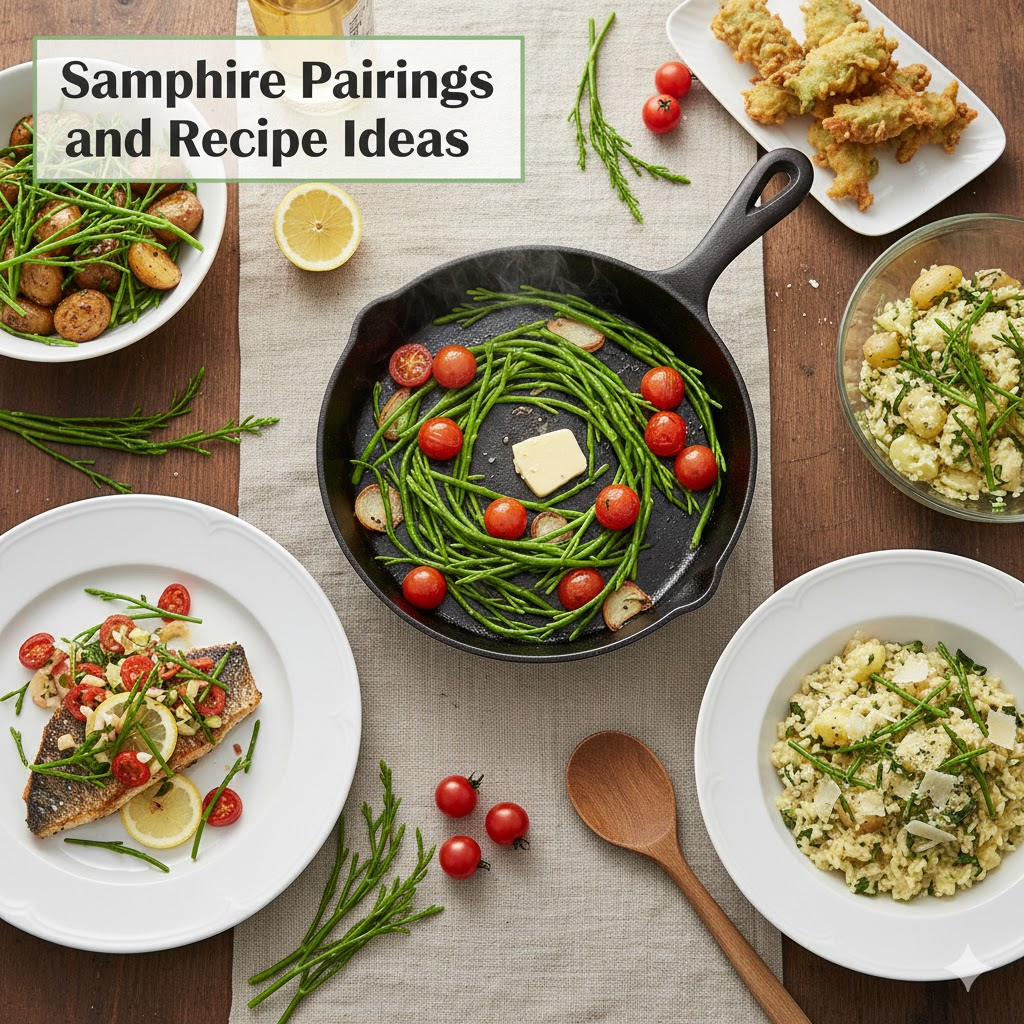
Samphire pairs exceptionally well with a variety of seafood dishes, enhancing flavours without overpowering them. Popular choices include salmon, sea bass, and other mild fish. Tossing cooked samphire with melted butter, a squeeze of lemon, or even a dash of vinegar adds an elegant, tangy touch. Its natural saltiness complements seafood perfectly, creating simple yet impressive meals for any occasion.
Beyond fish, samphire can be used creatively in salads, pasta dishes, or as a garnish for eggs and roasted vegetables. UK chefs, including James Martin, often highlight samphire in seasonal recipes, showing its versatility and appeal. Incorporating samphire into everyday dishes not only elevates flavours but also adds a healthy boost of vitamins and minerals to meals, making it a practical yet sophisticated ingredient.
Tips for Perfectly Cooked Samphire
Perfectly cooked samphire requires attention to detail to avoid overcooking, which can make it limp and less enjoyable. Keep cooking times short, whether boiling, steaming, or sautéing, and always separate stems to ensure even heat distribution. Season lightly, as the vegetable’s natural saltiness is sufficient, and combine with other UK vegetables for a balanced dish.
Choosing fresh samphire is equally important, particularly if harvesting from coastal areas. Wild samphire should be cleaned thoroughly to remove sand and debris. Mastering these preparation and cooking tips ensures that anyone can confidently cook samphire at home, achieving a crisp, flavoursome result every time while exploring new recipe ideas and serving combinations.
Common Mistakes to Avoid When Cooking Samphire
One of the most frequent mistakes when cooking samphire is adding extra salt, which can overpower the delicate natural flavour. Overcooking is another common issue, resulting in limp, mushy stems. Additionally, failing to separate clumps can lead to uneven cooking and inconsistent texture, diminishing the overall quality of your dish.
Pairing samphire with incompatible flavours can also affect the taste experience. Understanding how to cook samphire properly helps avoid these pitfalls. By following simple preparation and cooking guidelines, you can maintain the crisp texture, vibrant colour, and natural saltiness that make this vegetable a standout ingredient in UK kitchens.
Conclusion
Learning how to cook samphire opens the door to a wide range of healthy, flavourful UK dishes. Whether boiled, steamed, sautéed, or prepared using modern methods like the air fryer or microwave, samphire is easy to cook and incredibly versatile. Its natural saltiness, crisp texture, and nutritional benefits make it a must-have in any home cook’s repertoire, ideal for pairing with fish, salads, and seasonal vegetables.
Mastering the preparation and cooking of samphire ensures that it retains its freshness and flavour, allowing you to experiment with new recipes and elevate everyday meals. From simple side dishes to elegant garnishes, understanding how to cook samphire transforms this coastal vegetable into a culinary favourite that appeals to both novice and experienced cooks.
FAQs About How to Cook Samphire
Can samphire be eaten raw?
Yes, younger samphire shoots can be used raw in salads, offering a crisp and naturally salty crunch that adds texture to dishes.
How long should I boil or steam samphire?
Boiling typically takes 2–5 minutes, while steaming requires 5–10 minutes depending on stem thickness. Both methods preserve its crisp texture.
Can I cook samphire in butter or oil?
Absolutely. Sautéing samphire in butter or olive oil enhances flavour and richness, with optional garlic or shallots for extra taste.
How to cook samphire in the microwave or air fryer?
Place cleaned samphire in a microwave-safe dish or air fryer basket. Cook briefly to achieve tender but crisp stems.
What fish pairs best with samphire?
Samphire complements salmon, sea bass, and other mild-flavoured fish perfectly, highlighting their natural taste without overpowering.
How do I store leftover cooked samphire?
Store in an airtight container in the fridge for up to two days. Reheat briefly or use cold in salads.
Is samphire healthy and low in calories?
Yes, samphire is nutrient-rich, low in calories, and contains essential vitamins and minerals, making it an excellent addition to a healthy diet.
Can samphire be used in salads and pasta dishes?
Yes, it adds a distinctive salty crunch that enhances both fresh salads and cooked pasta recipes.
How to cook samphire if I buy it frozen?
Thaw briefly before cooking and follow your preferred method such as boiling, steaming, or sautéing for optimal flavour and texture.
Are there regional differences in UK samphire recipes?
Yes, recipes may vary with some regions preferring buttery or lemon-based preparations, while others incorporate it into seafood dishes or seasonal vegetable sides.