
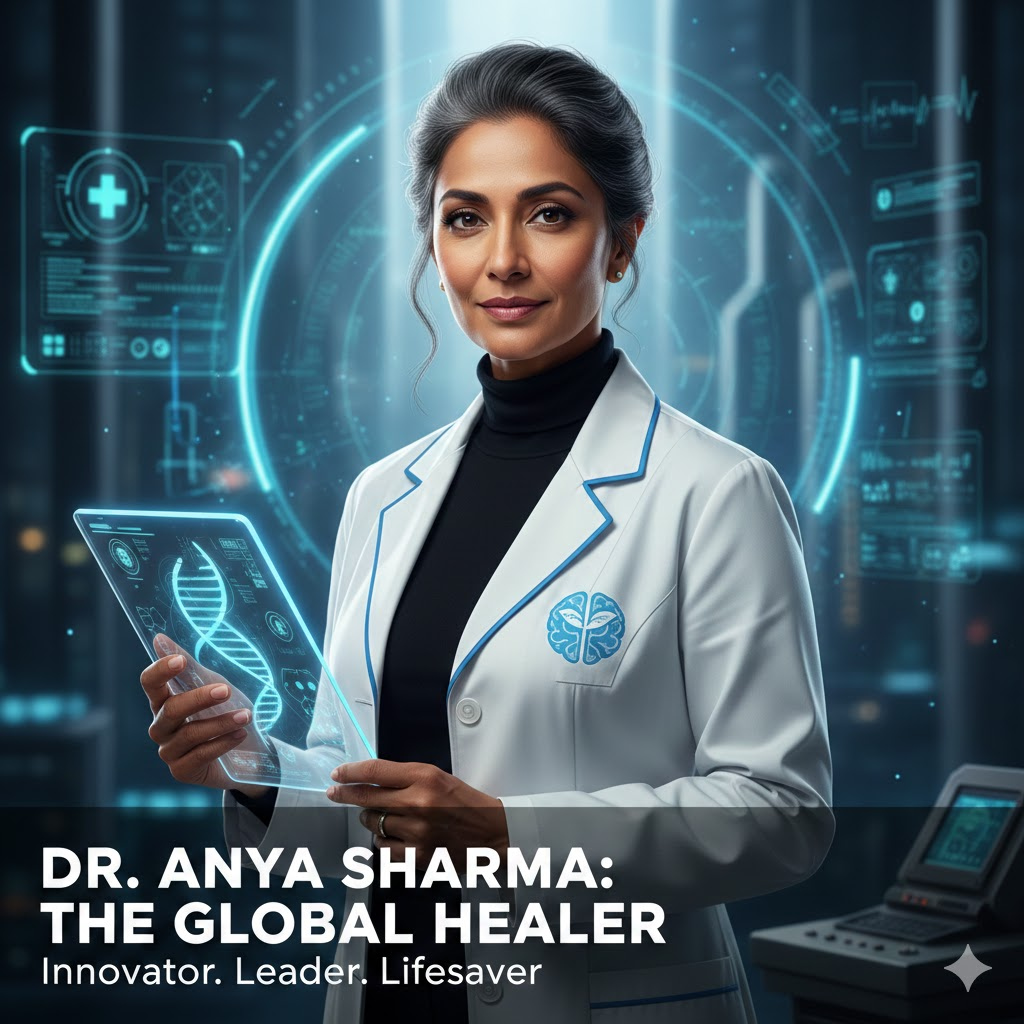
The question who is the most powerful doctor in the world has fascinated people for years, blending curiosity about medicine, influence, and global leadership. Power in the medical world extends far beyond treating patients—it includes shaping public health policies, guiding global initiatives, and influencing billions through research and philanthropy. Exploring this question uncovers a mix of traditional doctors, scientists, and even philanthropists who have redefined what it means to wield medical power.
Understanding who is the most powerful doctor in the world requires examining both expertise and influence. Some doctors gain recognition for their groundbreaking research, while others command authority through leadership roles in global health organisations. The interplay of knowledge, strategy, and public impact defines true medical power. This article highlights historical figures, modern leaders, and criteria used to determine the most powerful doctor in today’s world.
Understanding “Power” in the Medical World
Power in medicine is a multifaceted concept that goes beyond clinical skill. It often involves the ability to make decisions that impact millions, whether through public health policy, research, or philanthropy. Those who hold positions in global health organisations or lead major medical initiatives can influence healthcare delivery worldwide, making their power significant in both scale and scope.
Those exploring who is the most powerful doctor in the world should note that influence in medicine is not limited to medical training alone. A combination of leadership, strategic decision-making, and funding capabilities often determines a doctor’s authority. Leaders who guide organisations like the World Health Organization (WHO) demonstrate that medical power often combines expertise with global impact, setting standards for public health decisions.
Historical Perspective on Influential Doctors
Throughout history, some doctors have shaped medicine and society in ways that extended far beyond patient care. Figures like Hippocrates laid the foundations of medical ethics, while Jonas Salk revolutionised public health with the polio vaccine. These pioneers demonstrate that true medical power often combines innovation, leadership, and ethical influence.
Examining history provides context for who is the most powerful doctor in the world today. Past medical leaders illustrate that authority in medicine has always been tied to the ability to impact populations, shape research, and influence policy. Understanding these historical examples helps clarify how modern figures are evaluated for their global influence and significance in healthcare.
Modern Contenders for the Most Powerful Doctor
Dr Tedros Adhanom Ghebreyesus, the WHO Director-General, is widely recognised for his leadership in global health policy. His role during pandemics and health emergencies showcases the power of strategic decision-making in shaping worldwide health outcomes. His influence exemplifies the qualities needed to answer who is the most powerful doctor in the world.
Dr Anthony Fauci, an expert in infectious diseases, became globally recognised for his guidance during health crises, including COVID-19. His public visibility and advisory roles demonstrate how medical knowledge can translate into broad influence. Additionally, figures like Dr Chris Elias leverage philanthropy and funding to create global health programmes, showing that modern medical power extends beyond traditional clinical practice.
Criteria That Make a Doctor “Powerful”
Determining who is the most powerful doctor in the world depends on a combination of factors. Influence over healthcare policy, contribution to research, public trust, and leadership in organisations are central to defining power. Doctors who combine expertise with strategic thinking and decision-making capabilities often wield the greatest authority.
Medical power also includes the ability to mobilise resources for research or global initiatives. Leaders who drive large-scale programmes, fund public health campaigns, or guide global policies demonstrate that influence in medicine is as much about vision and execution as clinical skill. These criteria help explain why certain doctors are considered globally powerful today.
Controversies Around Medical Power
The question of who is the most powerful doctor in the world often sparks debate, especially when non-traditional figures like Bill Gates enter the discussion. Despite not being a practising doctor, Gates’ philanthropic influence on global health programmes has positioned him as a major force in healthcare. Public perception and actual power sometimes diverge, raising ethical and practical questions about influence in medicine.
Controversies also arise when media coverage elevates certain figures while overlooking others. Decisions about vaccine distribution, funding, and global health priorities can attract criticism, demonstrating that power in medicine comes with responsibility. Understanding these debates helps readers critically evaluate what constitutes true authority in the modern medical world.
The Future of Medical Power
The landscape of medical power is rapidly evolving. Emerging doctors and health leaders are expected to combine clinical expertise with strategic and technological skills. Advances in AI, biotechnology, and global research networks will shape who is the most powerful doctor in the world in the coming decades.
Future leaders will likely integrate medicine, philanthropy, and policy-making to tackle global challenges. By examining current trends and recognising the multifaceted nature of influence, it becomes clear that the concept of medical power is expanding, encompassing leadership, innovation, and the ability to positively impact millions worldwide.
Conclusion
In summary, who is the most powerful doctor in the world is not a simple question. True medical power is a blend of clinical expertise, strategic influence, leadership, and global reach. From historical pioneers to modern figures shaping global health policies, the most powerful doctors demonstrate that authority in medicine extends far beyond individual patient care, reflecting a combination of knowledge, vision, and societal impact.