
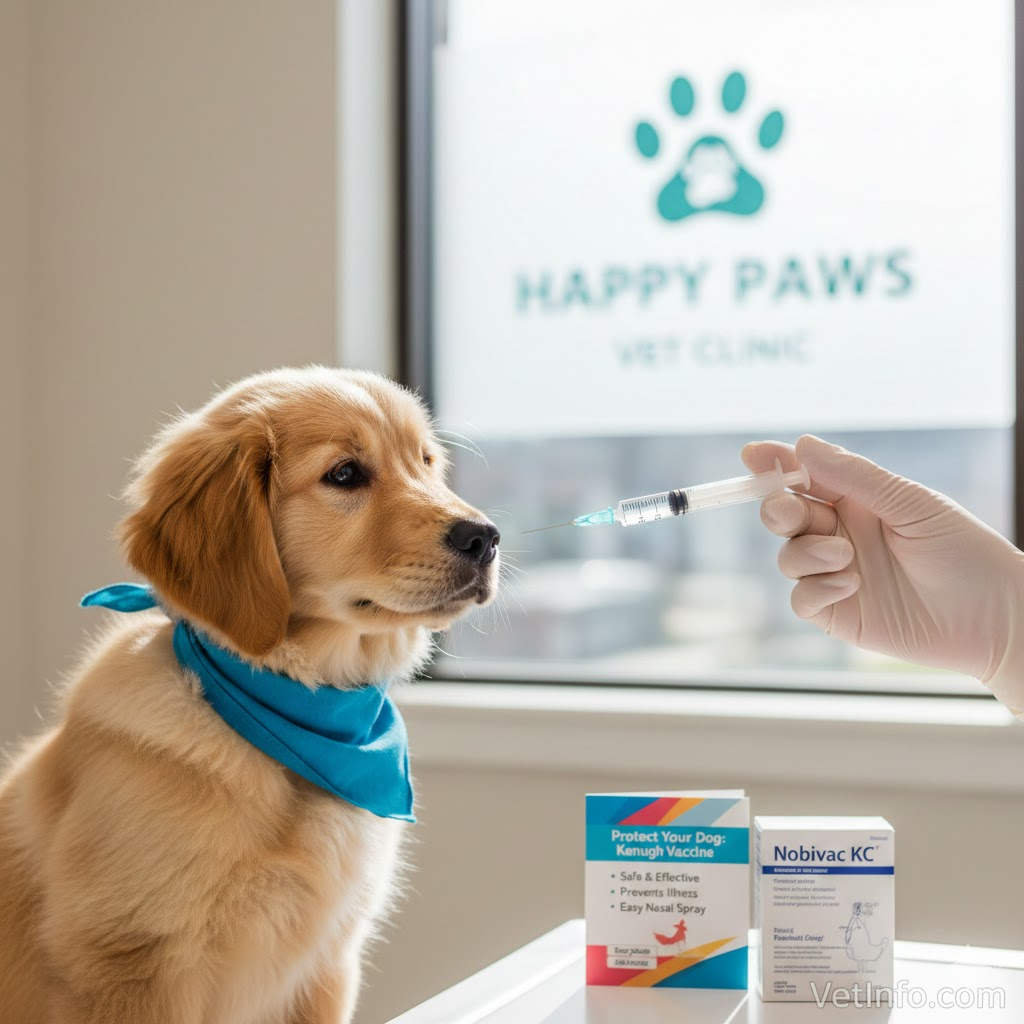
What is the Kennel Cough Vaccine?
The kennel cough vaccine is designed to protect dogs from infectious tracheobronchitis, more commonly known as kennel cough. This respiratory disease is caused primarily by the Bordetella bronchiseptica bacterium and sometimes parainfluenza viruses. The vaccine stimulates a dog’s immune system to produce antibodies, helping reduce the risk of infection and limiting the severity of symptoms if a dog does become ill.
There are several forms of the kennel cough vaccine, including intranasal sprays, oral drops, and injectable versions. Intranasal vaccines act quickly and are often preferred for dogs entering kennels or attending daycare facilities. While considered a non-core vaccine, it is highly recommended for dogs that socialise frequently, as it helps prevent outbreaks and ensures safer interactions with other dogs.
Who Needs the Kennel Cough Vaccine?
Dogs that frequently interact with other dogs, such as those attending boarding kennels, grooming salons, or dog shows, are prime candidates for the kennel cough vaccine. Puppies and adult dogs alike benefit from this protection, particularly if they are exposed to environments where infection risk is high. While not every dog needs this vaccination, it is often mandatory in social or communal settings.
Owners should speak with their veterinarian to determine if their dog requires the kennel cough vaccine. Factors such as the dog’s age, health, and lifestyle can affect the need for vaccination. Even dogs with limited social contact may benefit from protection, as kennel cough is highly contagious and can cause serious complications in vulnerable animals.
Administration, Schedule, and Duration
The kennel cough vaccine can be administered via nasal spray, oral drops, or injection. Puppies usually start their vaccination schedule at six to eight weeks old, receiving follow-up doses to complete the series. Adult dogs may require a single dose, with yearly boosters recommended for continued protection.
After vaccination, dogs should have a brief recovery period before interacting closely with other dogs. The kennel cough vaccine typically provides protection for approximately 12 months, though this can vary depending on the type of vaccine used and the dog’s health. Regular boosters ensure ongoing immunity and reduce the risk of outbreaks in communal environments.
Costs, Availability, and UK Pricing

The cost of the kennel cough vaccine varies across veterinary practices in the UK. Prices depend on the type of vaccine, whether it is intranasal, oral, or injectable, and the clinic’s location. On average, the price ranges from a moderate to slightly higher rate, but all types provide essential protection against the contagious disease.
Investing in the kennel cough vaccine can prevent costly treatments if a dog contracts the infection. Many veterinary clinics offer competitive pricing, and pet owners can find affordable options without compromising safety. Considering the cost against the benefits of disease prevention highlights the value of the vaccine for social and boarding dogs.
Side Effects and Risks
Most dogs experience only mild side effects following the kennel cough vaccine. Sneezing, temporary lethargy, or minor swelling at the injection site are common and usually resolve within a few days. Severe reactions are rare but should be reported to a veterinarian for prompt assessment.
The kennel cough vaccine is generally safe for households with immunocompromised individuals. Humans cannot contract kennel cough from vaccinated dogs, making it a low-risk preventative measure. Consulting a veterinarian ensures that the right vaccine type is chosen and that both the dog and household members remain safe.
Pros and Cons of the Kennel Cough Vaccine
The kennel cough vaccine offers significant benefits, including reduced disease severity, lower infection risk, and safe socialisation. Dogs attending daycare or boarding facilities are particularly protected. Vaccination also helps prevent the spread of the infection among other dogs, contributing to overall herd immunity in communal settings.
However, the vaccine does not guarantee full protection, and some dogs may still develop mild symptoms. Temporary side effects may occur, and protection typically lasts only about one year. Understanding both the pros and cons helps dog owners make informed decisions regarding the kennel cough vaccine for their pets.
Conclusion
The kennel cough vaccine is an important preventive measure for dogs that interact with other animals in social or communal settings. With minimal side effects, reasonable cost, and effective protection against contagious respiratory disease, the vaccine is highly recommended for most dogs. Consulting a veterinarian ensures the proper type, timing, and schedule for optimal protection.