
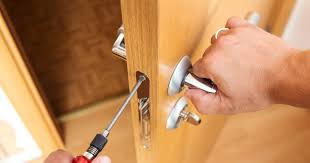
Lock repair is a core service offered by locksmiths across the UK, yet it is rarely as straightforward as it appears. From dealing with outdated locking systems to managing customer expectations, locksmiths face a wide range of challenges while repairing locks in residential, commercial, and automotive settings.
8 Common Problems Locksmiths Experience While Performing a Lock Repair Job in the UK
Understanding these common problems highlights the skill, experience, and professionalism required to carry out lock repair jobs effectively and securely.
- Working with Worn-Out or Obsolete Locks
One of the most common challenges UK Local locksmiths face is repairing old or obsolete locks. Many homes, especially older properties, still use outdated locking mechanisms that are no longer manufactured. Finding compatible replacement parts for such locks can be difficult and time-consuming.
In some cases, locks have been poorly maintained for years, leading to extreme wear and internal damage. Locksmiths must decide whether a repair is feasible or whether a full lock replacement is the safer option. Explaining this to customers who prefer a cheaper repair can be another challenge.
- Non-Standard and Low-Quality Lock Installations
Locksmiths often encounter locks that were previously installed incorrectly or by unqualified individuals. Poor alignment, incorrect screws, and low-quality hardware can make repairs far more complex. In the UK, where security standards are high, non-compliant installations can also pose safety and insurance risks.
Low-quality locks are more prone to failure, making repairs temporary at best. Locksmiths must often recommend upgrading to British Standard (BS3621) locks, which can lead to resistance from customers concerned about cost.
- Damage Caused by Forced Entry or DIY Attempts
Locks damaged due to burglary attempts are another common issue. Forced entry often bends internal components, damages cylinders, or weakens the door structure itself. In such cases, repair alone may not restore full security, requiring additional work on doors or frames.
Similarly, DIY repair attempts by property owners frequently cause further damage. Using incorrect tools or techniques can break delicate internal components, turning a minor issue into a major repair job.
- Dealing with Anti-Snap and High-Security Locks
Modern UK homes increasingly use high-security locks such as anti-snap cylinders. While these locks provide excellent protection, they can be challenging to repair due to their complex design. Locksmiths Cheshunt require specialised tools and training to work on these systems without compromising security.
If a high-security lock is damaged, locksmiths must ensure that any repair maintains its protective features. This adds pressure to perform precise and careful work.
- Weather-Related Lock Problems
The UK’s variable weather presents another challenge. Moisture, cold temperatures, and rust can affect lock performance. Outdoor locks, garage locks, and uPVC door mechanisms are particularly vulnerable.
Locksmiths must assess whether corrosion has caused permanent damage or if cleaning and lubrication will solve the problem. In severe cases, weather damage can weaken internal components beyond repair.
- uPVC Door and Multi-Point Locking Systems
uPVC doors are widely used across the UK and often feature multi-point locking systems. Repairing these systems can be complex, as a fault in one component may affect the entire mechanism. Accessing internal parts without damaging the door requires experience and precision.
Replacement parts for certain uPVC systems may also be difficult to source, delaying repairs and frustrating customers.
- Time Pressure and Emergency Call-Outs
Many lock repair jobs are carried out under urgent conditions, such as lockouts or post-burglary situations. Customers are often stressed and expect immediate solutions. Locksmiths must work efficiently without compromising safety or quality.
Emergency call-outs also require locksmiths to adapt quickly to unfamiliar lock types, sometimes in poor lighting or adverse weather conditions.
- Managing Customer Expectations and Security Advice
A less technical but equally important challenge is managing customer expectations. Clients may expect a quick, inexpensive repair when the lock is no longer safe to use. Locksmiths must communicate clearly, explaining security risks and offering professional recommendations.
Balancing affordability with safety is a constant challenge, especially when insurance requirements and British Standards must be considered.
Conclusion
Lock repair in the UK involves far more than basic mechanical skills. Locksmiths face challenges ranging from obsolete locks and poor installations to high-security systems and emergency situations. These problems highlight the importance of hiring experienced, qualified locksmiths who can assess risks accurately, carry out professional repairs, and ensure long-term security. Through skill, adaptability, and clear communication, locksmiths overcome these challenges to keep properties secure and clients protected.